

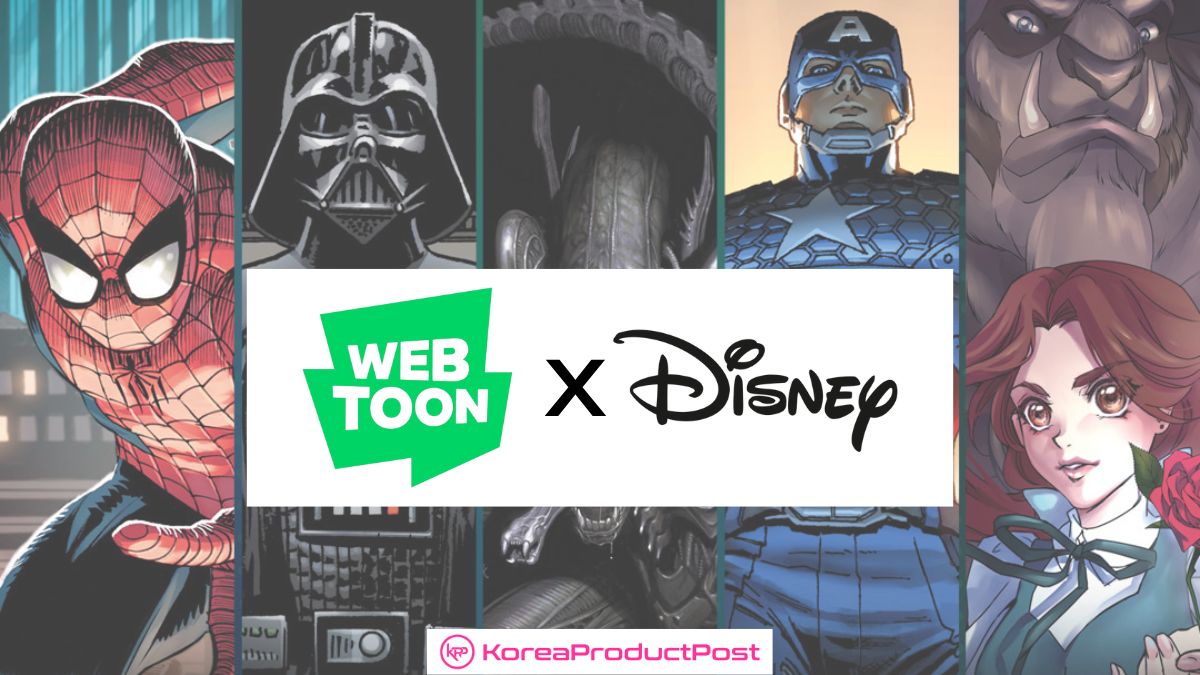
Disney partners with Naver Webtoon to bring Marvel and Star Wars into mobile-first digital comics, reshaping global storytelling.
South Korea’s Webtoon Entertainment, the global pioneer of mobile-first digital comics, just scored its most high-profile partnership yet. The company announced a landmark collaboration with Walt Disney, one that will bring legendary franchises, such as Marvel superheroes and Star Wars, into the world of webtoons.
This strategic partnership not only validates the global influence of Korean webtoons but also signals a major transformation in how Disney, Marvel, and Star Wars stories will reach new generations of readers.
A Game-Changing Partnership Between Disney and Naver Webtoon
The deal, revealed on August 14, 2025, positions Webtoon Entertainment as Disney’s key partner in adapting and distributing digital comics tailored for mobile readers. The collaboration includes:
- 100 bite-sized digital comics reformatted for Webtoon’s English-language app.
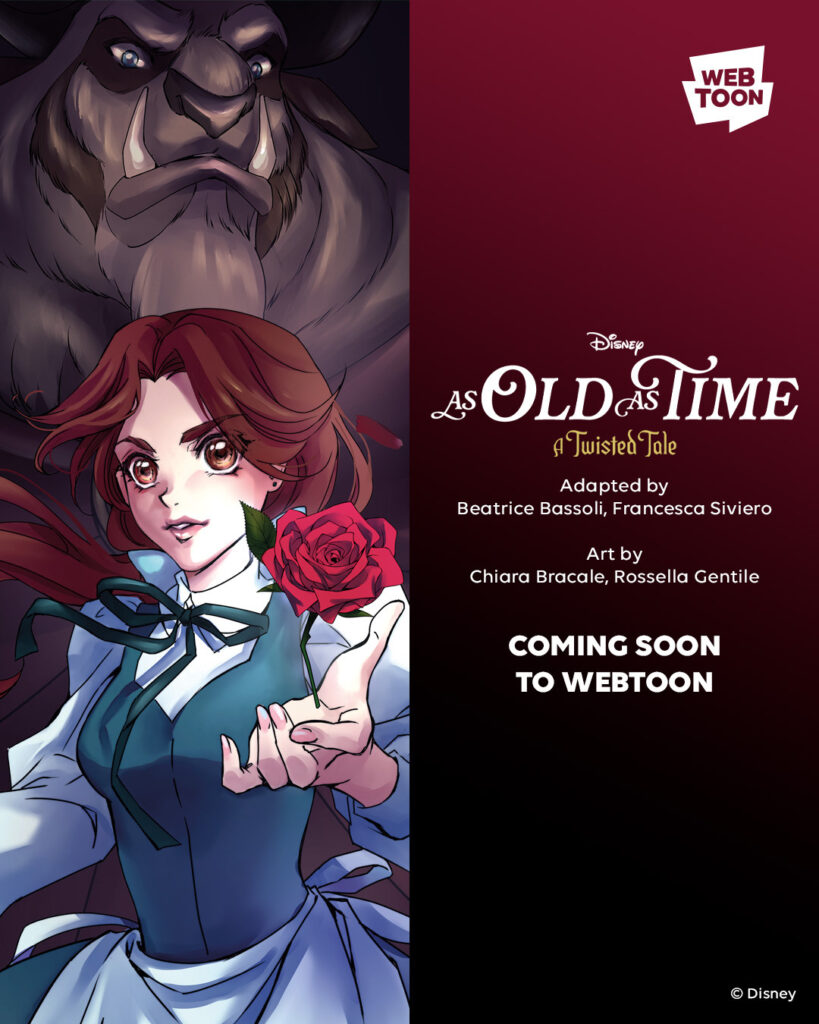
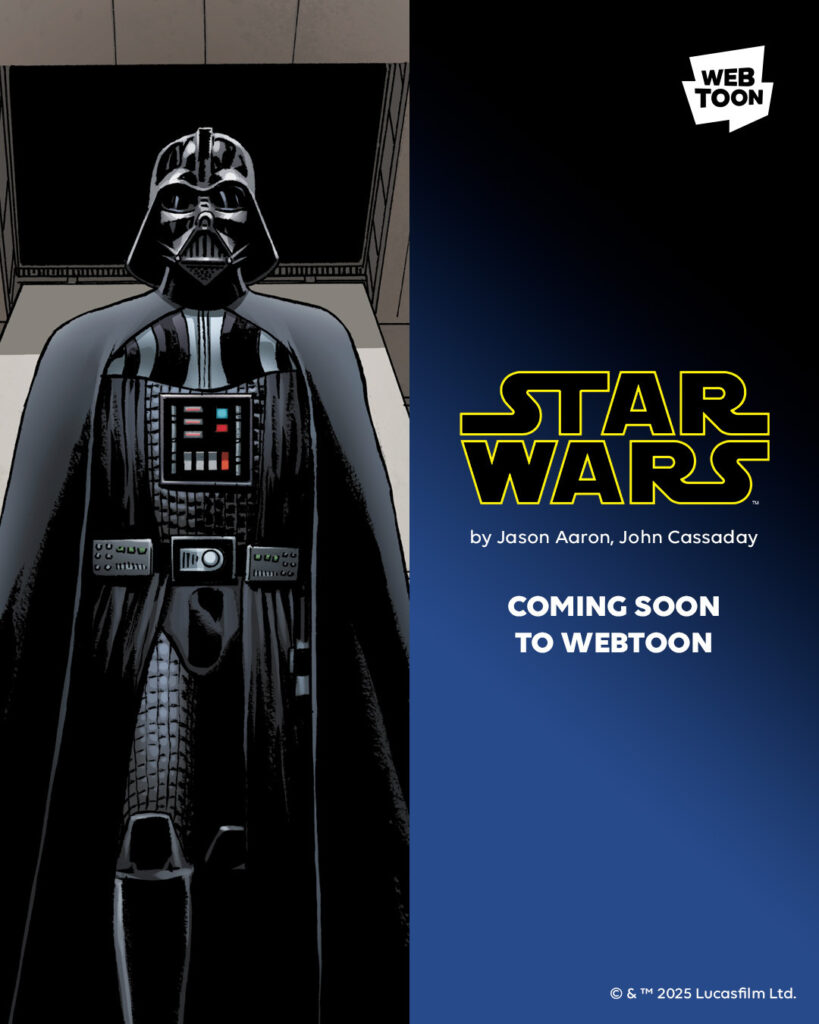
- Stories from Disney, Marvel, 20th Century Studios, and Star Wars catalogs.
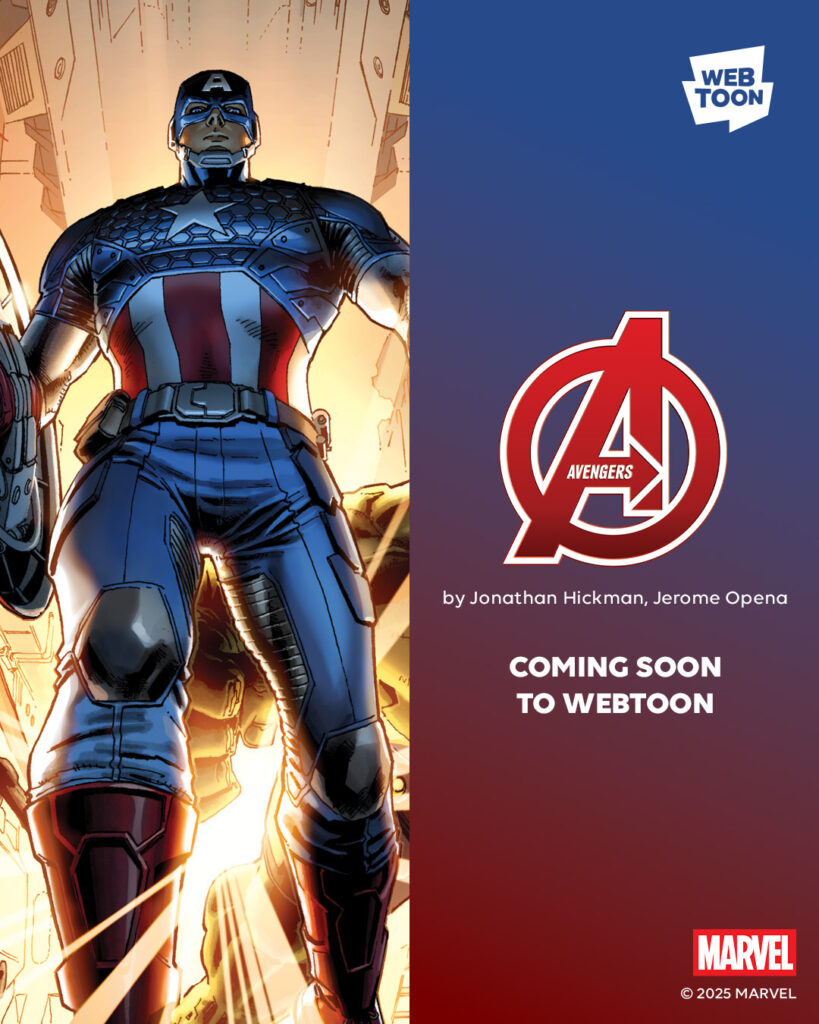
- Immediate releases featuring Spider-Man and The Avengers.
- Plans to co-produce original webtoons that expand these beloved universes.
“We’re thrilled to kick off this collaboration with iconic series from their comic book catalog – and this is just the start. Together, we’re bringing this legendary storytelling to a new generation of mobile-native comic fans.”
Kim Yongsoo, Chief Strategy Officer and Global Head at Webtoon Entertainment
For Disney, the move marks an aggressive push into the Asian digital comics market, one of the fastest-growing segments of the global entertainment industry. For Webtoon, it serves as validation of its platform’s worldwide influence, cementing its transition from a regional innovation to a mainstream global entertainment ecosystem.
The Stock Market Responds
East met West, and the stock market took notice. Shares of the Naver-owned company surged 81% in a single day after announcing a landmark deal with Walt Disney that will bring iconic franchises like Marvel and Star Wars into the webtoon universe.
Following the announcement, Webtoon Entertainment’s shares closed at $16.96 on Nasdaq, still below its $21 IPO price from June 2024, but a dramatic recovery from previous lows. The jump marks its most significant one-day gain since listing, breathing new optimism into investors who were once skeptical after the company reported weaker-than-expected earnings.
Webtoon Entertainment’s Rise from Korea to the World
The rise of Korean webtoons mirrors the success of K-pop and K-dramas as global cultural exports. Originally launched in 2005 as an experiment by Naver, webtoons introduced a radical innovation: the vertical scroll format designed specifically for smartphone users. This seemingly simple adjustment revolutionized digital comics, making stories easier to consume during commutes, breaks, or late-night scrolling.
In the 2010s, the format gained immense popularity as smartphones became increasingly ubiquitous across Asia. Webtoons democratized storytelling by allowing emerging artists to publish directly to digital platforms, bypassing traditional publishing hurdles. The pandemic years of 2020–2021 further accelerated growth, with millions turning to digital entertainment during lockdowns.
By mid-2025, Webtoon Entertainment had reported 156 million monthly active users, with 71% of them reading in languages other than Korean or Japanese. This statistic alone illustrates the global reach of the medium, as fans from the United States to Europe and Southeast Asia embraced webtoons alongside K-pop music and Korean dramas. Many popular series, such as Sweet Home, Tower of God, and All of Us Are Dead, have since been adapted into Netflix dramas, further embedding webtoons into the global entertainment ecosystem.
Key milestones in Webtoon’s growth include:
- 2010s: Explosive adoption with the rise of smartphones.
- Pandemic era: A surge in readership as digital entertainment boomed.
- Global reach: By June 2025, Webtoon Entertainment had recorded 156 million monthly active users, with 71% of readers using languages other than Korean and Japanese.
Disney’s Strategy in Asia Through Digital Comics
Disney’s decision to partner with Webtoon Entertainment is about much more than adding another distribution channel for its comics. It reflects a deliberate strategy to strengthen its foothold in Asia’s fast-evolving digital-first entertainment ecosystem. This region has become one of the most important battlegrounds for global media companies because of its unique consumption habits. In markets like South Korea, Japan, and Southeast Asia, the vast majority of content is consumed on mobile devices, making the traditional model of printed comics less relevant. Younger audiences, particularly Gen Z and millennials, like stories that are short, serialized, and optimized for vertical scrolling. Disney sees this trend as a perfect match for its characters, from Spider-Man to the Avengers, who can be reintroduced to a new generation of fans through mobile comics.
For Disney, the partnership with Webtoon also aligns with its broader push to diversify revenue streams beyond the traditional box office. By leveraging Webtoon’s platform, the company can tap into microtransactions, advertising, and subscription-based models that are already familiar to readers in Asia. These models complement Disney’s global strategy of expanding into streaming and gaming, ensuring its intellectual property remains relevant across multiple digital touchpoints. In practice, Webtoons may serve as the entry point into the Disney ecosystem: readers encounter bite-sized stories on the app, transition to streaming adaptations on Disney+, and ultimately become part of merchandise and licensing cycles that sustain long-term fan engagement. Put simply, webtoons could serve as Disney’s gateway to the next billion fans in Asia.
Webtoon Entertainment’s Financial Growth Despite Challenges
While many digital media platforms have struggled with slowing engagement, Webtoon Entertainment has continued to deliver measurable growth.
- Q2 2025 revenue: $348 million (up 8.5% YoY).
- Net loss: Narrowed by 95% to just $3.9 million compared to the same period last year.
This financial turnaround underscores the effectiveness of Webtoon’s diversification strategy, which includes not only paid content and advertising but also lucrative intellectual property adaptations that extend stories into TV dramas, films, and even games.
The company’s geographic revenue mix highlights its global reach. Japan remains Webtoon’s largest market, contributing more than half of the overall revenue, while Korea follows as its second-strongest region. However, it is the international markets, including the United States, Europe, and Southeast Asia, that show the most promise, now accounting for nearly a third of total revenue. By leveraging high-profile adaptations, such as Sweet Home and All of Us Are Dead, which became international hits on Netflix and Webtoon, Webtoon has demonstrated that its IP can successfully cross borders and thrive in multiple formats. This strengthens the company’s case for becoming a long-term global entertainment player rather than remaining confined to the digital comics niche.
New Innovations to Combat Declining Engagement
Despite its momentum, Webtoon Entertainment faces ongoing challenges familiar to digital platforms worldwide. Piracy remains a persistent issue, undermining paid readership, while younger audiences often demand new formats and faster engagement. To address these concerns, Webtoon has leaned heavily on innovation. One strategy has been the transformation of webtoon panels into short-form video clips, designed to capture the attention of audiences accustomed to TikTok and YouTube Shorts. These animated snippets act both as promotional material and as a new form of entertainment, blurring the line between static comics and video storytelling.
At the same time, the company has doubled down on expanding its original content. By collaborating with global IP holders such as Disney, Marvel, and Star Wars, Webtoon can refresh its content library and ensure that readers are consistently offered new and exciting experiences. This approach sets Webtoon apart from its rivals, particularly Kakao Entertainment, which has faced significant setbacks, including retreating from several international markets such as China, Taiwan, Indonesia, and Europe. As competitors scale back, Webtoon is seizing the opportunity to solidify its presence as the undisputed global leader in mobile comics.
Why the Disney & Webtoon Deal Matters
The collaboration between Disney and Webtoon Entertainment goes far beyond short-term stock market gains. For Disney, the partnership provides a direct path to embed its franchises into the daily reading habits of digital-native audiences, ensuring that characters like Spider-Man and Darth Vader remain culturally relevant in a mobile-first world. For Webtoon Entertainment, the agreement serves as robust validation that its platform is no longer just a comics app but a mainstream entertainment ecosystem with the credibility to work alongside the world’s most valuable intellectual properties.
Fans also stand to benefit in unprecedented ways with this Disney Webtoon deal. For the first time, Marvel superheroes and Star Wars legends will be reimagined through the lens of Korean webtoon storytelling. Unlike other comics, Webtoon emphasizes accessibility, interactivity, and serialized suspense. This fusion of Hollywood’s storytelling power and Korea’s digital innovation has the potential to reshape the global comics and entertainment industry, opening doors for entirely new formats and fan experiences.
The Future of Digital Comics: Toward a Global Entertainment Powerhouse
Looking ahead, the real question is how far this partnership can extend Webtoon’s influence on the world stage. With 156 million active users and Disney’s vast catalog of characters at its disposal, Webtoon is poised to expand even more aggressively into North America and Europe, markets that are already showing signs of strong adoption. The integration of cross-platform adaptations—from mobile comics to anime, K-dramas, and live-action series—could create a pipeline of content that captures fans across every medium.
At the same time, Webtoon’s model is ideally suited to generate new revenue streams through merchandise, licensing, and interactive experiences, ensuring that its growth is not solely dependent on ad revenue or subscriptions. If the trajectory of K-pop and K-dramas is any indication, Korean webtoons may be on the verge of their own global cultural explosion. The Disney–Webtoon partnership may very well become the turning point when digital comics went mainstream, marking the birth of a new entertainment powerhouse for the digital age.
Final Thoughts
The Webtoon–Disney deal is more than a business partnership — it’s a cultural milestone. By bringing Marvel superheroes and Star Wars legends into the mobile-first storytelling universe of Korean webtoons, two entertainment giants are reshaping how stories are created, consumed, and monetized.
For investors, creators, and fans alike, this moment could be remembered as the day digital comics went mainstream on the global stage.