
Samsung unveils its first tri-fold smartphone prototype, the Galaxy Z Trifold, at APEC 2025 in Gyeongju — marking a bold step toward merging phone, tablet, and laptop functionality.
At the Asia-Pacific Economic Cooperation (APEC) CEO Summit 2025, Samsung Electronics Co. unveiled its long-anticipated tri-fold smartphone prototype. It signals the company’s next major leap in mobile design and innovation.
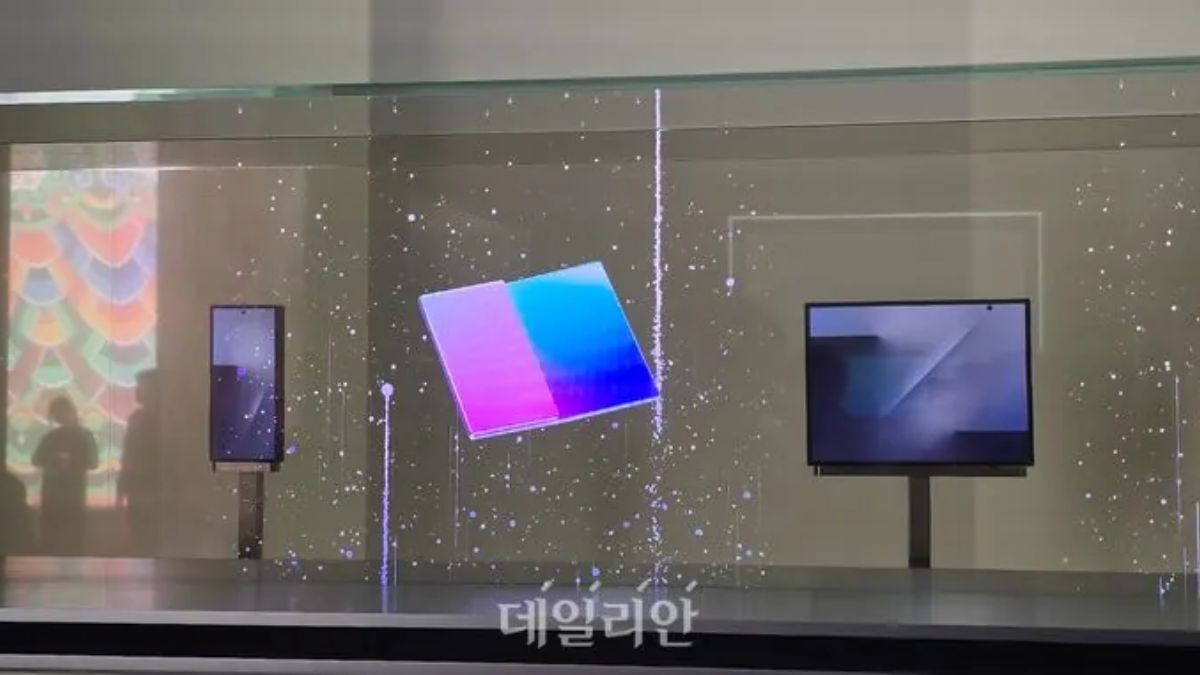
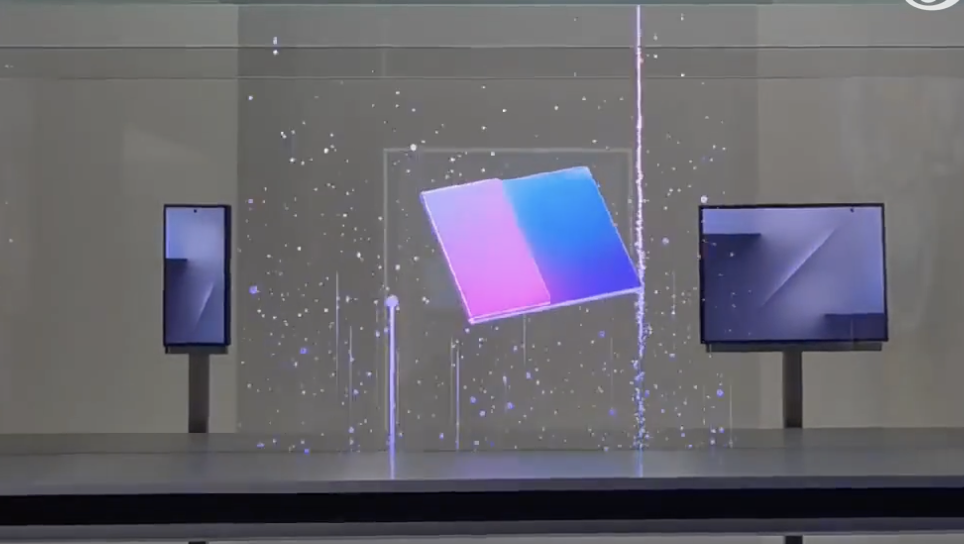
On display at the K-Tech Showcase in Gyeongju, the device captivated global media and visitors alike. It is likely to be branded as the Samsung Galaxy Z Trifold. Presented in a glass case in both its folded and unfolded states, the phone marks Samsung’s boldest reimagining of mobile form factors since the original Galaxy Fold debuted in 2019.
Industry insiders confirmed that the device is slated for mass production later this year. It will be marking the transition of Samsung’s foldable technology into its third generation of innovation.
Dual In-Folding “G” Design and Next-Level Hardware
Samsung’s tri-fold phone, based on the company’s Flex G concept. It features a dual in-folding mechanism that allows both sides to fold inward in a “G” shape. This enables the 6.5-inch cover display to expand into a 10-inch main display. This effectively transforms the phone into a tablet-sized screen — larger than the 8-inch panel of the Galaxy Z Fold7.
Industry rumors suggest the device runs on Qualcomm’s Snapdragon 8 Elite chip. It may also feature a 200-megapixel main camera with 100× zoom and multi-window support for multitasking. The software is expected to include multiwindow and cross-screen functionality, optimizing the device for productivity and entertainment.
Observers noted that the prototype appeared sleeker and flatter than prior foldable models, with minimal visible creases and a design thickness of about 4.2 mm unfolded and 1.2–1.5 cm folded. Each of the three panels reportedly houses an independent battery module, improving power efficiency and balance.
Redefining the Foldable Market Amid Rising Competition
Samsung’s trifold debut comes as global competition in the foldable smartphone market intensifies. According to Counterpoint Research, Samsung’s global market share in foldables dropped to 9 percent in Q2 2025. On the other hand, Huawei surged to 45 percent, bolstered by its Mate XT and Mate XTs models that use a zig-zag folding design.
Despite the fierce rivalry, analysts view Samsung’s tri-fold device as a statement of technological leadership rather than a volume-driven launch. Initial production is expected to be limited to 50,000–200,000 units. It will focus on premium early adopters in select markets such as Korea and China.
“Samsung’s tri-fold phone is a bold move to define the future of smartphones,” said an industry insider. “If it successfully settles in the market, it could substantially enhance Samsung’s position in the global tech landscape.”
Pricing estimates at around 4 million won ($2,800), although Samsung has yet to confirm final pricing or launch timelines. A company spokesperson noted, “We are still evaluating options internally,” emphasizing that the current showcase represents ongoing R&D efforts.
Beyond Foldables: Integrating the Galaxy Ecosystem
The trifold launch also underscores Samsung’s broader strategy to unify its hardware and software ecosystem. The company plans to integrate the new device with Galaxy Watch, Galaxy Buds, and Samsung Health, offering seamless connectivity across its product lineup.
This step reflects Samsung’s ambition to bridge the gap between smartphones, tablets, and laptops, creating a new category of hybrid devices that cater to modern, multitasking consumers.
With Apple reportedly preparing a foldable iPhone 18 series, the competition for dominance in the premium foldable market is set to intensify in 2026.
Join us on an exciting journey to explore the vibrant world of Korean lifestyle – from the latest beauty tips to the hottest tech and so much more on Facebook, Twitter, LinkedIn, and Flipboard.