
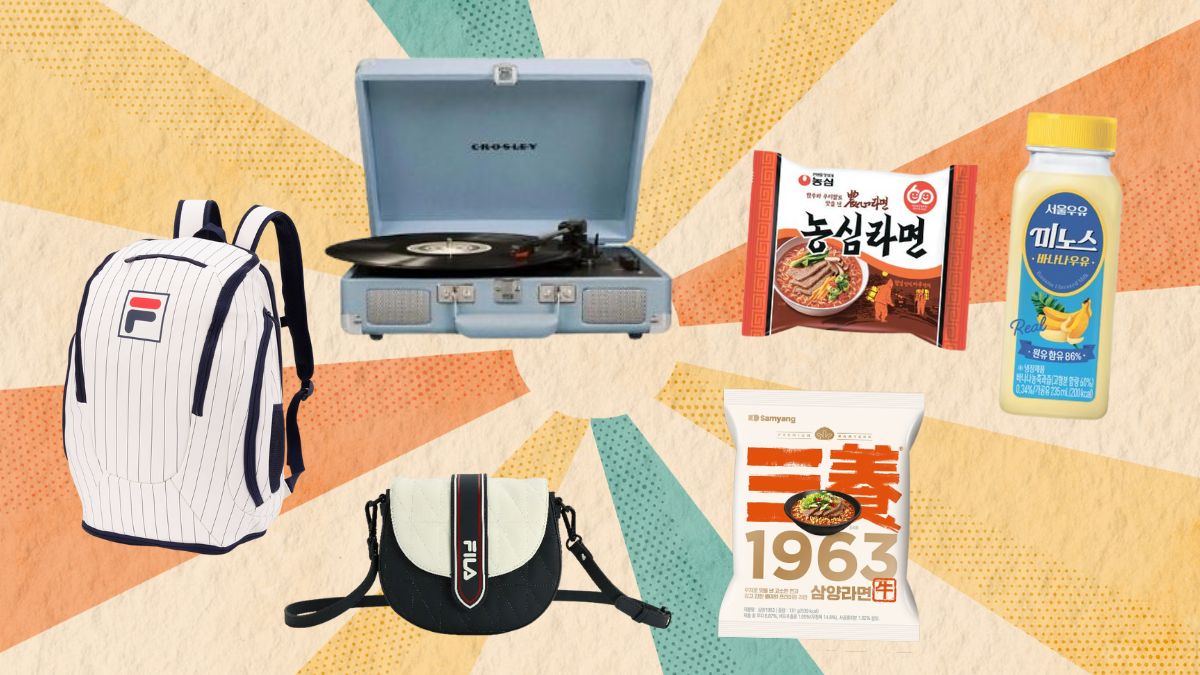
Korean brands are mastering the art of nostalgia. From ramen and fashion to beauty and tech, discover how newtro design connects emotion with innovation.
When Design Remembers
In South Korea, nostalgia isn’t just a feeling — it’s a design movement for Korean brands. Known locally as “newtro” (a blend of new + retro), the trend re-imagines the past through today’s aesthetics. Korean brands are rediscovering their heritage and transforming it into modern storytelling that feels both familiar and fresh.
From ramen and chocolate bars to sneakers and smartphones, companies are learning that design rooted in memory can spark powerful emotional reactions. A retro font, an old logo, or a familiar shape can transport consumers back in time — while still looking right at home in 2025’s sleek digital world.
Nostalgia design in Korea isn’t about repeating the past. It’s about re-designing it for the present, blending history with innovation to build trust, emotion, and style.
Food & Beverage Revival — Where Taste Meets Memory
Samyang 1963: The Original Taste Returns
Few Korean brands evoke nostalgia quite like Samyang Foods, Korea’s first instant-noodle maker. Its 2025 revival, Samyang 1963, reintroduces the brand’s original recipe — complete with beef tallow and a separate liquid soup made from beef-bone extract.
Even the packaging borrows from the 1960s: bold typography, red accents, and minimal graphics. The design feels authentic, not outdated, bridging two generations — those who remember the original, and younger consumers discovering it for the first time.
By reviving its most iconic product, Samyang turned memory into marketing — proving that authenticity can still feel innovative.
Binggrae Banana Milk: Retro Shape, Digital Charm
Since 1974, Binggrae’s Banana Milk has been a cultural staple — instantly recognizable by its round, jar-shaped bottle. Its recent retro edition reintroduces the original color palette and typography from the 1980s.
The campaign used social media to bridge generations: millennials felt nostalgia, while Gen Z found the design “vintage-cool.” The result was viral success on TikTok and Instagram, transforming a 50-year-old product into a trending lifestyle symbol.
The key insight? Nostalgia doesn’t live in the past — it lives in the story a brand tells.
Lotte Ghana Chocolate: Wrapping Up the Past
To mark its 50th anniversary, Lotte Wellfood brought back the original packaging of its beloved Ghana Chocolate. The limited-edition bars featured deep-red tones, gold borders, and the original “Ghana” script from 1975.
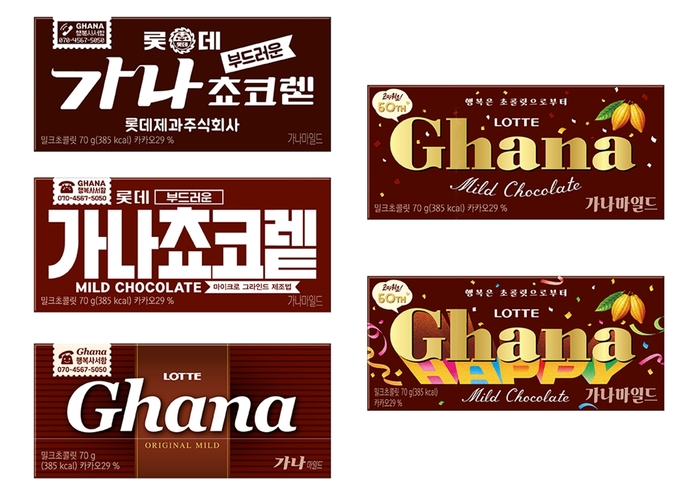
Consumers responded instantly. The design reminded them of their childhood snacks, while the minimalist aesthetic appealed to design-savvy shoppers. The bars sold out quickly — a testament to how nostalgia can boost both emotional and commercial value.
Discontinued Favorites Making a Comeback
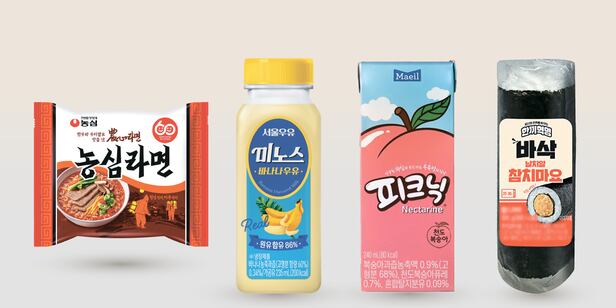
Beyond just design and legacy packaging, Korean food brands are actively “reviving the past” by bringing back discontinued products to the shelves. Companies such as Seoul Milk, Nongshim and Maeil Dairies have begun relaunching long-discontinued items—leveraging existing production lines, consumer familiarity and the emotional pull of rediscovery.
Fashion Flashbacks — Heritage Meets Street Style
Nostalgia isn’t limited to supermarket shelves. It walks the streets of Seoul. In fashion, Korean brands are using the past to define what’s cool again — reviving vintage styles from the 1980s, 1990s, and early 2000s to speak to both Gen Z and millennials who crave authenticity.
Fila Korea: The 1990s Are Back in Style
Fila Korea is one of the clearest examples of how nostalgia can drive brand rebirth. Originally founded in Italy, Fila became a household name in Korea during the 1990s. After being acquired by a Korean consortium, the brand leaned heavily into that heritage with its Fila Heritage Line — reissuing classic tracksuits, oversized logos, and vintage sneakers once worn by early K-pop idols and college athletes.
The campaign’s visuals — Polaroid filters, muted colors, and old-school sports ads — hit the sweet spot between retro and relevant. Younger consumers embraced Fila as “Y2K streetwear,” while older shoppers appreciated the familiar silhouettes.
As a result, Fila not only revived its brand but positioned nostalgia as a fashion currency.
Musinsa: Curating the Newtro Movement
While older brands reach back into their archives, digital retailer Musinsa has become the curator of modern nostalgia. Through collaborations and “Newtro Seoul” pop-ups, Musinsa showcases indie labels that reinterpret Y2K, 1990s, and even 1970s fashion for Gen Z shoppers. The company’s editorial campaigns feature VHS-style visuals, film-grain textures, and throwback graphics — proving that nostalgia and e-commerce can coexist beautifully.
Musinsa’s success demonstrates how online platforms can use heritage aesthetics to humanize the digital shopping experience. By turning memory into design, Musinsa made nostalgia feel like the next big trend rather than a passing one for Korean brands.
Tech Nostalgia — Retro Cool in the Digital Age
As technology races forward, Korea’s biggest tech companies are looking backward — not in function, but in feeling. Retro aesthetics have become a surprising bridge between cutting-edge innovation and emotional comfort. By reintroducing design cues from the past, tech brands are reminding users that progress doesn’t have to feel cold or impersonal.
LG Electronics: Retro Chic for Modern Homes
LG Electronics has mastered nostalgia through its “Retro Chic” home appliance line. The company reimagined fridges, microwaves, and speakers with soft pastel hues, rounded corners, and chrome details inspired by 1960s kitchenware. The Objet Collection — a blend of vintage design and smart technology — quickly became a favorite among young homeowners seeking appliances that feel cozy, not corporate.
These products prove that even in the era of AI-powered homes, people still crave warmth and familiarity. LG’s design philosophy is clear: modern function, emotional form.
Samsung: Flipping Back to the Future
When Samsung launched its Galaxy Z Flip series, it didn’t just sell foldable phones — it sold nostalgia. The campaign tagline, “Join the Flip Side” deliberately referenced early-2000s flip phones. From the tactile snap of closing the device to its compact design, the product reawakens the sensory joy of old-school tech in a modern form factor.
Samsung paired its marketing with Y2K-inspired visuals and 2000s pop culture aesthetics, turning what could have been just another gadget into a nostalgia-infused lifestyle statement.
The strategy worked: younger consumers saw it as retro-cool, while older users felt a wave of recognition.
It’s a masterclass in how design can connect generations through memory.
Beauty & Lifestyle Heritage — Revisiting Classic Korean Glamour
K-beauty is known for constant innovation — serums, cushions, and skincare routines that redefine global trends. But recently, Korea’s beauty giants have been looking backward to move forward. By reviving archival packaging, heritage formulas, and vintage aesthetics, they’re proving that authenticity can be as appealing as novelty.
Amorepacific: Reviving the Heritage of Care
Few companies embody Korean beauty heritage like Amorepacific. Founded in 1945, it has become a leader in both innovation and storytelling.
In 2024, the company launched the “Vintage Green Tea Collection,” inspired by its early herbal formulations and the brand’s first glass-jar packaging. Each product’s design draws from Amorepacific’s archives — muted green tones, gold trim, and the handwritten logo once used in its early factory days.
The campaign tagline, “Back to the Beginning,” highlights how Amorepacific is blending traditional Jeju green tea ingredients with advanced fermentation science. It’s not just nostalgia; it’s heritage reborn through technology.
Innisfree: Jeju Roots, Retro Look
Amorepacific’s younger sibling brand Innisfree has also leaned into nostalgia, celebrating its early 2000s debut with the “Jeju Heritage Edition.” The limited line featured nostalgia with the Korean brands’ original 2001 logo and minimalist typography.
The packaging deliberately avoids the hyper-polished gloss typical of modern K-beauty. Instead, it feels tactile and familiar — a nod to when Innisfree first introduced the idea of “eco-beauty.”
This design choice taps into eco-nostalgia — the yearning for simpler, more natural beauty in an era of complex routines. For consumers fatigued by constant product launches, these familiar visuals signal trust and authenticity.
Retail & Space Design — Bringing the Past to Life
In Korea, nostalgia isn’t confined to products on a shelf — it’s built into the spaces where people shop, eat, and gather. From flagship stores to independent cafés, brands are creating physical environments that feel like time capsules with Wi-Fi — blending mid-century charm, analog details, and a modern twist.
The Hyundai Seoul: A Department Store with a Memory
Seoul’s most famous luxury mall, The Hyundai Seoul, may be futuristic in architecture, but its design storytelling reaches back decades. The store’s interiors reference the classic Korean department stores of the 1980s, when shopping was an aspirational family outing. Soft lighting, open atriums, and warm-toned marble floors echo that golden retail era, even as digital screens and AI navigation systems make the experience modern.
Café Onion & Café Layer57: Newtro Meets Lifestyle
Korea’s café culture is perhaps the most visible expression of nostalgia design.
Café Onion Anguk, located in a renovated hanok (traditional Korean house), juxtaposes old wooden beams and tiled roofs with sleek concrete counters and minimalist furniture. The result is a space that feels timeless — where tourists and locals alike sip lattes surrounded by history.
Meanwhile, Café Layer57 repurposes an old printing factory in Seoul’s Seongsu district. Its industrial walls, exposed ceilings, and vintage posters evoke the raw energy of 1980s Seoul. Customers describe it as “retro but Instagram-ready,” illustrating how physical nostalgia now doubles as social-media currency.
Conclusion — Nostalgia as Innovation
Across Korea’s creative industries, nostalgia has become a design strategy, not just an emotion. From Samyang’s 1963 ramen revival to Fila’s retro streetwear and LG’s pastel-toned appliances, brands are rediscovering their roots to connect with modern consumers in more human, authentic ways.
In food, fashion, beauty, and technology, design rooted in memory offers comfort and credibility. A familiar shape, color, or texture creates trust — a rare commodity in a fast, digital world. Whether it’s Amorepacific reviving vintage packaging or Samsung bringing back the tactile joy of the flip phone, nostalgia reminds people that innovation can still feel personal.
Even physical spaces tell this story. From the minimalist hanok of Café Onion to the nostalgic interiors of The Hyundai Seoul, Korea’s design language bridges eras, proving that modern experiences can still hold emotional depth.
The message is clear: nostalgia is not about returning to the past but redesigning it for the present for Korean brands. Korea’s newtro movement shows that progress and heritage are not opposites — they’re partners. In a world chasing what’s next, Korean brands are showing that sometimes the most modern idea begins with remembering where it all began.
Join us on an exciting journey to explore the vibrant world of Korean lifestyle – from the latest beauty tips to the hottest tech and so much more on Facebook, Twitter, LinkedIn, and Flipboard.