
From Seoul Fashion Week to global platforms, here’s how the K-fashion industry evolved in 2025 toward scale and sustainability.
For much of the past decade, K-fashion’s global rise was driven by visibility. Street style, celebrity exposure, and K-pop influence brought Korean brands international attention. In 2025, the industry entered a more structural phase. The year marked a shift toward consolidation, policy alignment, and platform-led growth.
Rather than relying on trend momentum alone, the Korean fashion industry increasingly positioned itself as an export-oriented and commercially structured sector. Developments across policy, events, and partnerships reflected a growing focus on scalability, sustainability, and long-term competitiveness.
Policy and Institutional Support Strengthen the K-Fashion Ecosystem
Public-sector involvement became more visible in 2025. Fashion was increasingly framed as part of Korea’s broader creative and export economy.
The Seoul Metropolitan Government continued to support fashion as a strategic industry, aligning it with policies targeting small and medium-sized enterprises and overseas expansion. This approach mirrored strategies already applied to other creative and consumer sectors.
Industry coordination was also strengthened. The Korea Fashion Association signed a memorandum of understanding with Musinsa in 2025. The agreement focused on brand development, intellectual property protection, and overseas market entry, according to industry announcements. It also highlighted the growing role of digital platforms as infrastructure partners for K-fashion’s global expansion.
Seoul Fashion Week at 25: From Runway Event to Business Platform
One of the most symbolic moments of the year was the 25th anniversary of Seoul Fashion Week. The milestone underscored how the event has evolved beyond a domestic runway showcase.
In 2025, Seoul Fashion Week placed a stronger emphasis on business outcomes. Organizers expanded buyer consultations, showroom tours, and B2B matching programs. International buyer participation reached record levels, according to figures released by event organizers.
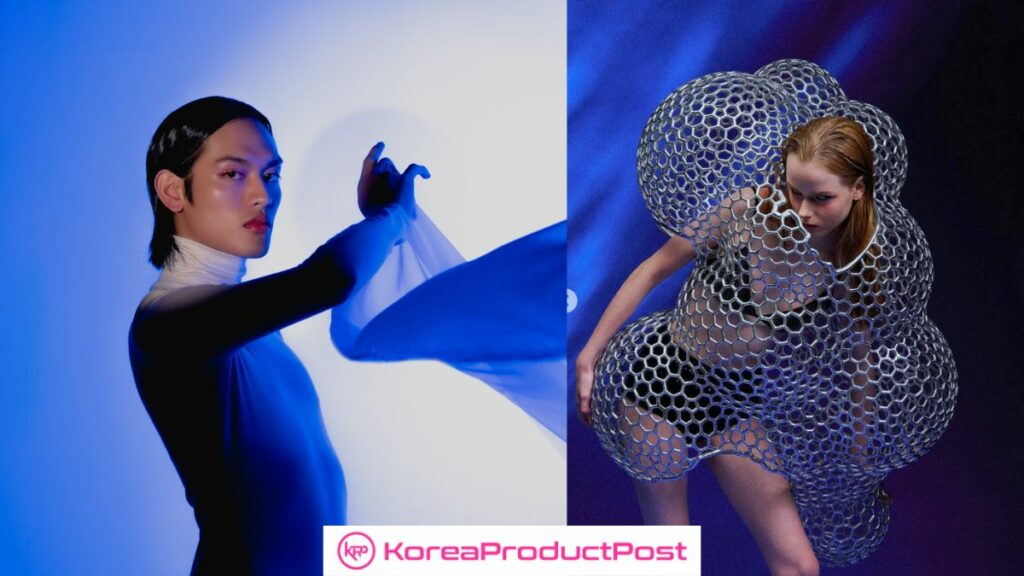
The introduction of industry forums and structured discussions reflected efforts to position Seoul Fashion Week as a regional fashion hub. Partnerships with global fashion media further supported its integration into the international fashion calendar.
Business Platforms and Strategic Partnerships Take Center Stage
Platform-led growth emerged as a defining theme for K-fashion in 2025. Musinsa continued to expand its role as a gateway for Korean brands seeking overseas exposure. Its collaboration with industry bodies signaled a move toward more formalized global pathways.
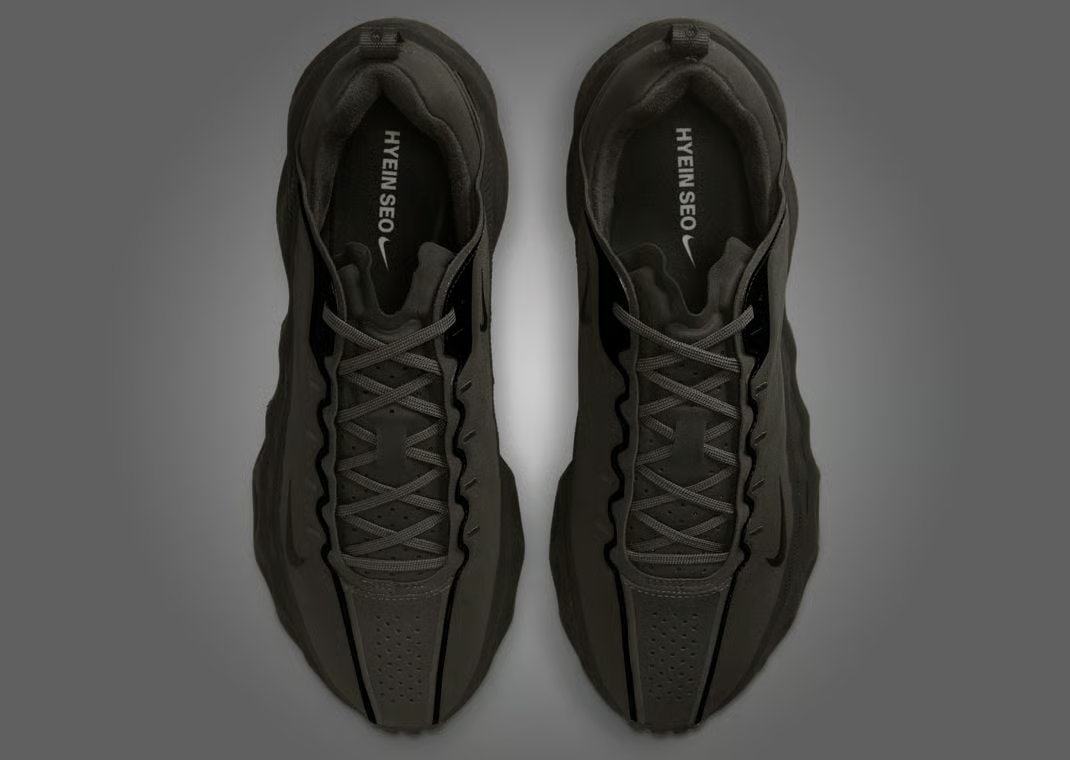
Strategic collaborations also gained attention. The Hyein Seo collaboration with Nike, launched in mid-2025, demonstrated how Korean designers are increasingly viewed as creative partners by global brands. Industry observers noted that such collaborations signal growing confidence in K-fashion’s design and commercial capabilities.
While large-scale mergers and acquisitions remained limited in the fashion sector, these partnerships pointed to deeper institutional engagement with Korean fashion brands.
Celebrity Culture Continues to Drive Fashion Capital
Celebrity influence remained central to K-fashion’s global visibility in 2025. K-pop artists continued to act as cultural intermediaries between Korean brands and international consumers.
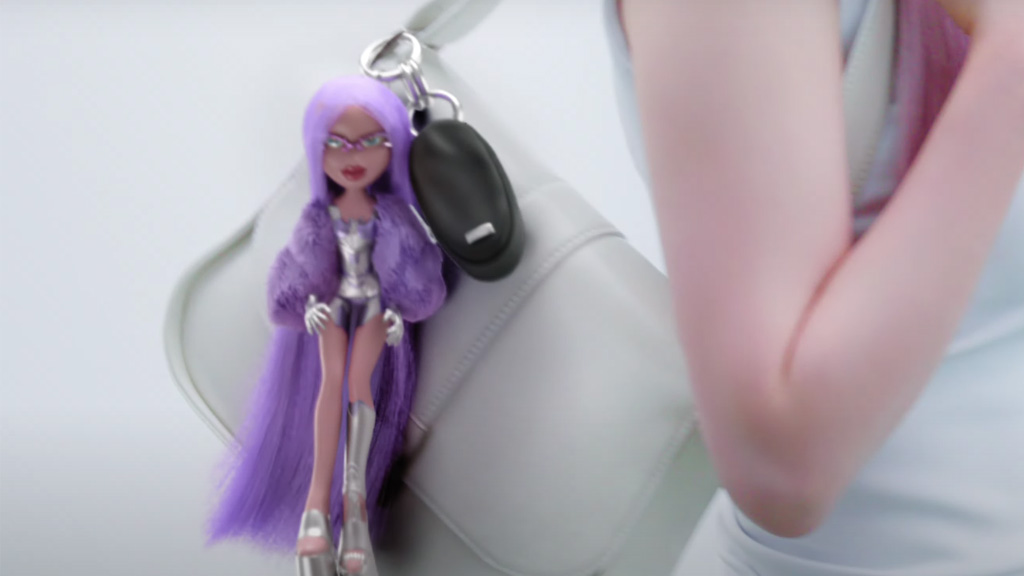
Accessory and lifestyle brands were particularly active. Gentle Monster’s Bratz campaign drew attention for its blend of fashion, art, and pop culture. Brands such as Matin Kim, supported by high-profile endorsements, strengthened their presence both domestically and overseas.

Many Korean artists and idols were signed as global ambassadors or brand campaign models with major international and luxury fashion brands. Members of Stray Kids were attached to major fashion labels in 2025 campaigns, including Gucci, Burberry, Versace, and Fendi. Blackpink’s Jisoo and Jennie appeared in multiple global campaigns for Dior, Chanel, Miu Miu, and Calvin Klein. These are just a few; many K-pop idols and K-celebrities have become global brand ambassadors.
Sustainability and Design Direction Gain Strategic Weight
Design narratives in 2025 reflected a more mature industry outlook. Sustainability emerged as a core theme across collections, as reflected in multiple F/W 2025 runway shows.
Designers increasingly emphasized eco-friendly materials, upcycling, and responsible production practices. These choices aligned Korean fashion with global sustainability conversations and changing consumer expectations.
Aesthetically, K-fashion continued to balance streetwear foundations with experimental tailoring. Oversized silhouettes, layered styling, and gender-fluid designs remained prominent, while wearability and market adaptability gained importance.
Digitalization Expands Global Reach
Digital tools played a growing role in K-fashion’s global strategy. Livestreamed shows, online presentations, and digital lookbooks allowed brands to reach overseas audiences more efficiently.
Cross-border e-commerce became increasingly important for discovery and sales. Digital platforms enabled international consumers to access Korean fashion directly, reinforcing fashion’s place within Korea’s broader digital export ecosystem.
For emerging brands, these channels also served as testing grounds for overseas demand before committing to physical retail expansion.
Market Challenges Remain
Despite progress, the industry continued to face challenges. Rising production and logistics costs pressured margins throughout 2025. Competition from other Asian fashion hubs also intensified.
Many brands faced the ongoing challenge of building identity beyond celebrity association. Industry participants noted that long-term success now depends on operational discipline, supply-chain efficiency, and clear brand differentiation.
2025 as a Turning Point for K-Fashion
In retrospect, 2025 stands out as a turning point for the K-fashion industry. Growth was shaped less by virality and more by policy alignment, platform development, and structured global engagement.
Rather than signaling a slowdown, this shift points to greater durability. K-fashion is increasingly becoming a global industry with cultural roots, commercial ambition, and institutional support.
As the sector moves into 2026, the foundations laid in 2025 suggest a future driven by sustainability, strategic partnerships, and long-term global relevance—marking the next phase of K-fashion’s evolution.
Join us on an exciting journey to explore the vibrant world of Korean lifestyle – from the latest beauty tips to the hottest tech and so much more on Facebook, Twitter, LinkedIn, and Flipboard.