
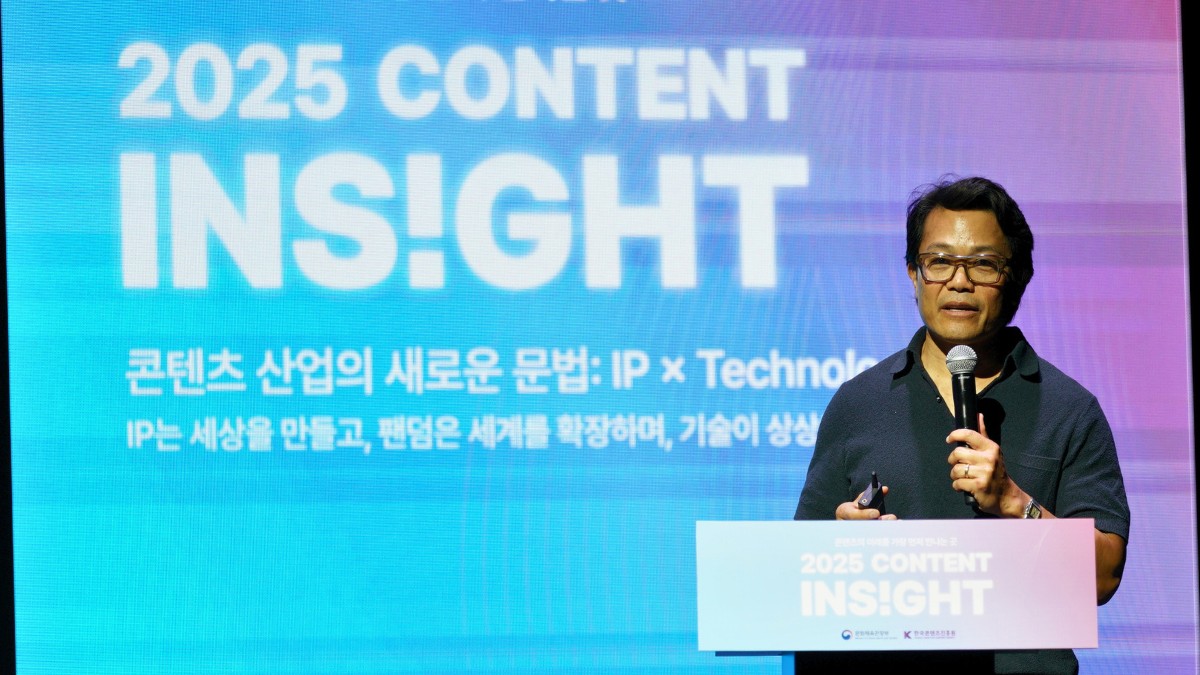
At KOCCA Content Insight 2025, Emmy-winning producer Joel Kuwahara shared a visionary look at the future of 2D animation, outlining how new pipelines, AI tools, and Korea’s production ecosystem will redefine global animation.
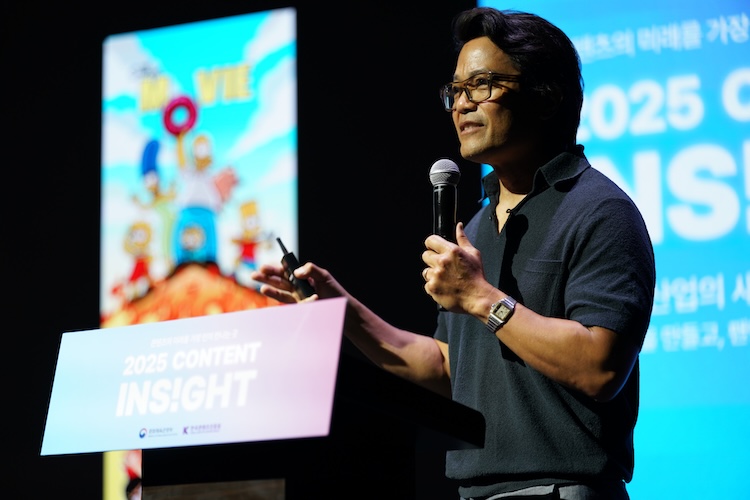
At KOCCA Content Insight 2025 in Seoul, Emmy-winning producer Joel Kuwahara offered a rare, sweeping look into the past, present, and future of 2D animation. Known for his work on The Simpsons, The Simpsons Movie, Bob’s Burgers, and as co-founder of Bento Box Entertainment, Kuwahara has shaped some of the most recognizable animated comedies of the last three decades.
Now, he believes the entire industry is on the edge of a transformation—and that the next evolution won’t come from adding more digital tools, but from rebuilding the animation pipeline from the ground up.
From Hand-Painted Cels to Digital Pipelines
Kuwahara opened with a reflection on where 2D animation began. Early seasons of The Simpsons—his first major production experience—were made entirely by hand: pencil sketches, inked lines, painted cels, and frame-by-frame photography on film. It was slow, artisanal work that depended heavily on Korean animation studios, many of which animated substantial portions of the show.
While technology has advanced dramatically since those early years, Kuwahara emphasized that the essence of animation—strong characters, clear storytelling, and emotional performance—remains unchanged.
Creating Bento Box: Innovation Through Independence
Kuwahara founded Bento Box Entertainment in 2009 after years of wanting to modernize animation from the inside. Large studios often resisted process innovation, so he set out to build a studio that embraced new tools and digital workflows.
Bento Box quickly became a major force in primetime animation, producing Bob’s Burgers and other hits. In 2019, Fox Entertainment acquired Bento Box, choosing it to become its dedicated animation studio after Disney absorbed Fox’s legacy animation assets. Under Fox, BentoBox expanded into original IP, producing series such as Krapopolis and Grimsburg.
Throughout this evolution, Bento Box maintained deep production partnerships with Korean studios—especially as the studio transitioned into full digital production.
The Modern TV Animation Pipeline: Still 9–12 Months Per Episode
Despite decades of new software and tablets, a single episode of animated television still takes nearly a year to produce. Kuwahara broke down the traditional pipeline. It starts from writing, voice recording, design, storyboarding, animatics, animation, and ends at post-production. He noted that the structure has hardly changed in 30 years.
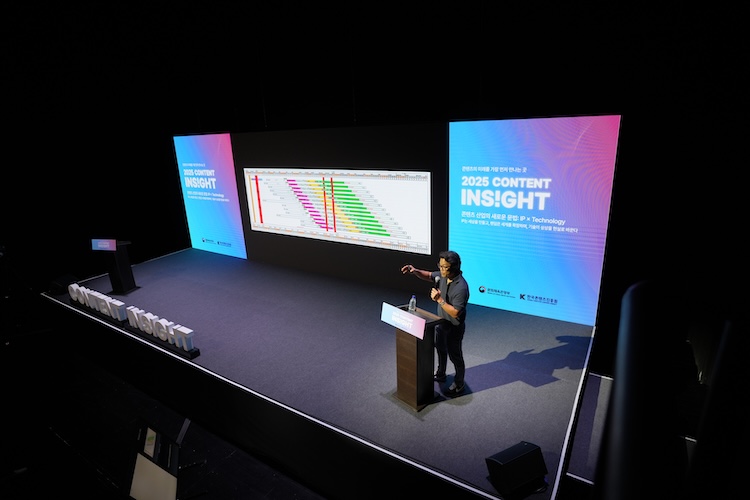
Even more surprising, he explained, some episodes now take 12 to 15 months, not because the work is more complicated, but because every technological improvement has been layered on top of existing processes rather than replacing them. The result is a production pipeline that is longer, heavier, and more difficult to navigate.
“We modernized the tools, but we never modernized the pipeline.”
Joel Kuwahara, Co-Founder of BentoBox Entertainment

The Industry Crunch: Costs Up, Orders Down
Kuwahara referenced recent data from Luminate Intelligence showing a sharp drop in new animation series orders between 2024 and 2025. Production costs have risen, while streaming platforms have scaled back commissioning. Even though global demand for animation remains strong, the economics of traditional production workflows no longer align with today’s content environment.
Hollywood’s recent strikes amplified these tensions, bringing AI into the center of industry debates. But for Kuwahara, the bigger issue is not whether AI should exist—it’s how it should be used.
AI in Animation: Helpful, But Not a Magic Solution
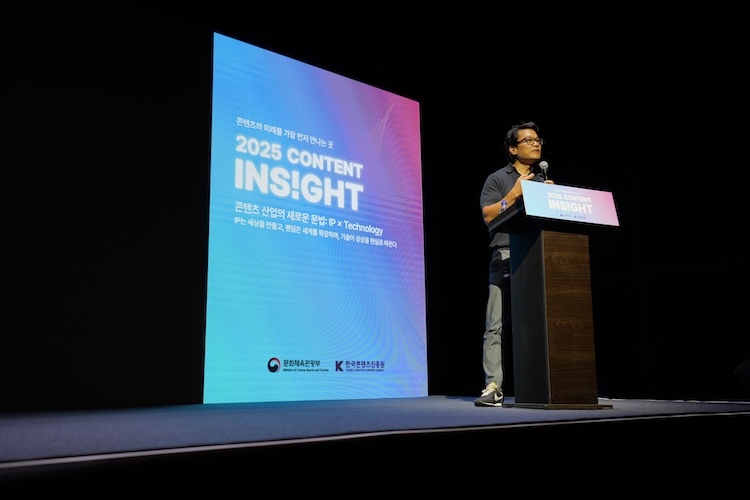
Kuwahara has spent years experimenting with AI tools inside his home studio. His conclusion: AI can be powerful, especially in concept art and certain 3D tasks, but it does not yet replace the nuanced work of professional animators, storyboard artists, actors, or writers.
He noted that many AI demos skip essential steps like storyboarding and animatics, jumping straight to final frames. For professional TV production, this is the wrong direction. Final frames too early can distract the creative team, shifting focus away from character and story—the heart of 2D animation.
Still, he sees enormous potential if AI can support specific bottlenecks. Even a 10–20% improvement in areas like design cleanup, animation in-betweens, or previs would offer real value across large productions.
The Real Opportunity: A New Pipeline Entirely
Rather than waiting for a single breakthrough tool, Kuwahara believes the true innovation will come from reimagining how animation is made. Instead of a rigid, linear workflow, he envisions a more flexible, parallel process where decisions can be made earlier, changes are cheaper, and artists can iterate freely without waiting weeks for a revised animatic or test scene.
His target is ambitious but achievable: reducing the production timeline of a 22-minute episode from 12–15 months to around seven months. Faster production would lower financial risk, encourage experimentation, and allow studios to greenlight more series—revitalizing the global animation market.
This shift, he argued, will ultimately benefit every part of the animation ecosystem, including Korea’s robust production sector.
FutureCel: Building the Next-Generation Animation Studio
In September 2025, Kuwahara left Bento Box to launch a new studio: FutureCel. The studio’s mission is to build a next-generation production pipeline that blends artist-driven storytelling with responsible, transparent use of AI.
He also highlighted a key new idea: data as the new studio backlot. Where traditional studios relied on physical libraries of backgrounds, characters, and props, future studios will rely on:
- Curated training datasets
- Style libraries for facial performance, motion, and visual identity
- Ethical frameworks that ensure artists understand exactly how their work is used
This approach, he believes, will enable a new era of creative IP development while maintaining trust between studios and creators.
Why Korea Will Be Central to Animation’s Future
Kuwahara underscored Korea’s long-standing importance in global animation and predicted an even greater role going forward. Korean studios already possess advanced digital pipelines, strong technical talent, and the flexibility to adopt new hybrid workflows. As AI-enhanced production becomes more common, Korea’s strengths in both technology and artistry position it ideally for the next generation of international co-productions.
KOCCA’s global initiatives, educational programs, and cross-border collaborations further strengthen Korea’s influence in shaping the future of 2D animation.
A New Era of Innovation
Kuwahara ended with optimism. The challenges facing animation today are real, but so are the opportunities. With emerging tools, a rising generation of tech-native artists, and global collaboration at an all-time high, he believes the industry is on the brink of a creative renaissance.
“You’ve seen the past. Now you’re getting a glimpse of the future. I’m excited for what’s coming—and many of you will be the ones leading it.”
Joel Kuwahara, Co-Founder of BentoBox Entertainment
Key Takeaways
- TV animation pipelines today still take 9–15 months per episode, despite decades of new tools.
- The industry “modernized the tools, not the pipeline,” leading to more complexity rather than speed.
- AI is promising in areas like design and 3D, but currently falls short on storyboarding, nuanced 2D animation, and comedic timing.
- The real opportunity is to redesign the pipeline—moving decisions earlier, running steps in parallel, and targeting ~7 months per episode.
- Kuwahara’s new studio, FutureCel, will treat data and style libraries as core assets while keeping ethics and transparency central.
- Korea’s role—as a long-time animation production hub and a tech-forward content ecosystem—will be crucial in shaping the future of 2D animation and global IP creation.
Join us on an exciting journey to explore the vibrant world of Korean lifestyle – from the latest beauty tips to the hottest tech and so much more on Facebook, Twitter, LinkedIn, and Flipboard.