
A year-end analysis of the K-game industry in 2025, covering exports, platform strategy, regulation, and global competition.
In 2025, the Korean gaming industry entered a period of structural adjustment. While the sector remained one of South Korea’s largest creative exports, growth slowed and strategic priorities shifted. Publishers focused less on expansion and more on platform balance, IP management, and regulatory readiness.
South Korea’s video game market was valued at approximately $13.44 billion in 2025, confirming the industry’s continued scale despite moderation in growth. Game exports reached around 12 trillion won, underscoring gaming’s role as a core export category within Korea’s creative economy .
Mobile Dominance Persists, but Fatigue Sets In
Mobile games continued to generate the largest share of revenue for Korean publishers in 2025. However, industry participants pointed to rising user acquisition costs and heavier reliance on live-operations to maintain performance.
Research examining monetization practices in Korean mobile games highlighted growing concerns around sustainability, transparency, and long-term retention . These factors reinforced a broader view within the industry that mobile-led growth alone is insufficient for future expansion.
PC and Console Become Strategic Priorities
By 2025, PC and console development has become a strategic requirement rather than a secondary initiative. Major publishers expanded multi-platform pipelines as part of long-term global positioning.
Industry reporting noted that companies such as Nexon and Krafton increased their focus on PC and console titles, reflecting efforts to diversify revenue sources and strengthen global competitiveness . This shift was also visible at G-STAR 2025, where analysis highlighted greater emphasis on playable demos, narrative depth, and franchise development .
IP Expansion Outpaces New IP Creation
Risk appetite declined across the sector in 2025. Instead of launching untested intellectual property, Korean publishers leaned into existing franchises, extending them across platforms and formats. This approach reduced development risk while maximizing returns from proven brands.
High-profile global releases reinforced this strategy. Titles developed by Korean studios, such as Stellar Blade, achieved international recognition and commercial success, helping elevate Korea’s profile in the global premium game market.

Global Markets Remain Essential—and Competitive
Exports remained essential to growth, but global competition increased. Korean game companies faced stronger pressure from Western live-service titles and cost-efficient studios in other Asian markets.
Localization emerged as a key differentiator. Industry analysis emphasized that Korean game exports depend on deep localization and cultural adaptation, rather than basic translation. This requirement raised development costs but improved long-term competitiveness.

China continued to represent both opportunity and risk. While approvals progressed in some cases, publishers treated the market with caution and focused on diversification across North America, Europe, and Southeast Asia.
Regulation Shapes Industry Behavior
Regulatory considerations played a larger role in 2025. South Korea introduced requirements for foreign game companies to appoint domestic representatives, reflecting tighter oversight of market operations.
Concerns around foreign ownership also resurfaced. Reports regarding Tencent’s interest in acquiring Nexon prompted public discussion within the industry about control over strategic cultural assets.
These developments highlighted how policy and regulation increasingly influence platform strategy and investment decisions.
Government Support Signals Strategic Importance
Despite market headwinds, government backing remained visible. In 2025, South Korea allocated 15.5 billion won to support console game development, signaling policy recognition of platform diversification as a competitiveness issue.
Internationally, Korea’s creative economy framing continued to emphasize games as a leading export category. According to a 2025 WIPO presentation, games accounted for nearly 15% of Korea’s creative industry output, reinforcing their economic and cultural importance.
AI Adoption Focuses on Efficiency, Not Hype
Artificial intelligence tools gained gradual adoption in 2025. Developers applied AI primarily to asset production, quality assurance, localization, and customer support.
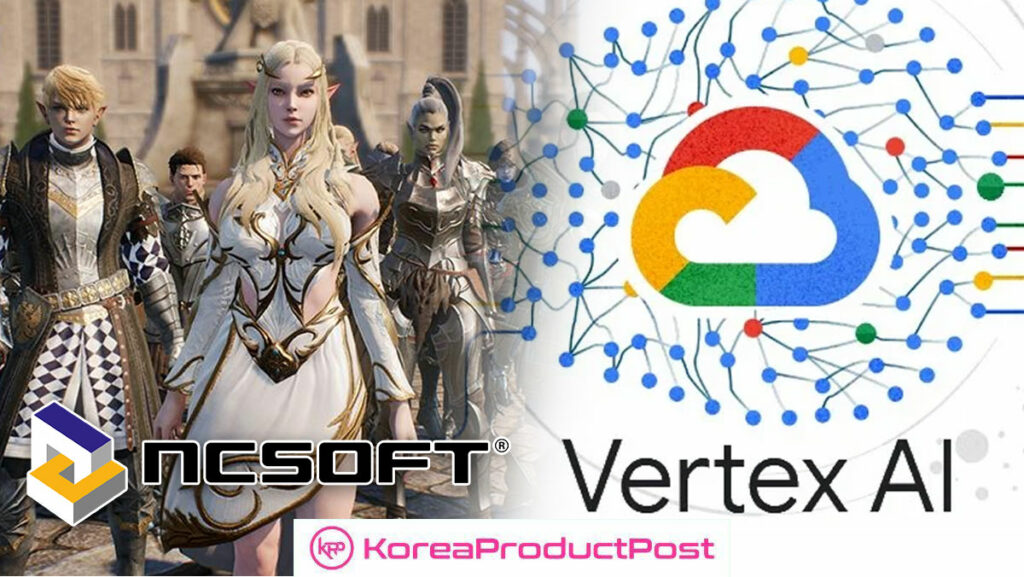
Academic research indicated that AI use in game development is driven more by efficiency gains than by creative transformation, with ethical and labor questions still unresolved.
A Year of Adjustment for K-Game
In retrospect, 2025 was a year of adjustment rather than acceleration for the Korean gaming industry. The sector remained globally competitive, export-driven, and culturally influential. However, growth was increasingly constrained by platform power, regulatory pressure, and rising development costs.
Rather than signaling decline, these changes point to maturation. The Korean game industry is evolving from a fast-growth export engine into a more disciplined, globally integrated sector—one that prioritizes IP longevity, platform strategy, and regulatory readiness.
The year 2025 may be remembered as the year K-Game shifted decisively from expansion to optimization—laying the groundwork for its next phase of global relevance.
Join us on an exciting journey to explore the vibrant world of Korean lifestyle – from the latest beauty tips to the hottest tech and so much more on Facebook, Twitter, LinkedIn, and Flipboard.