
Nexon’s Woochi the Wayfarer blends Korean folklore with modern gaming, signaling Korea’s push to expand its cultural exports into the global market.
What if the next big Korean wave did not come from music or drama, but from magic spells and folklore heroes? That is exactly what Nexon is setting up with Woochi the Wayfarer. This single-player action-adventure game transforms one of Korea’s most mischievous folk legends into a global gaming experience.
Over the last two decades, Korea has steadily built its reputation as a global cultural powerhouse. Music, television, and cinema have carried the “K-wave” across borders. Each of these industries has reshaped the world’s perception of Korean creativity, transforming culture into one of the nation’s most valuable exports. Now, Korea is preparing to take the next step, and the focus has shifted toward video games as the next frontier for storytelling and soft power.
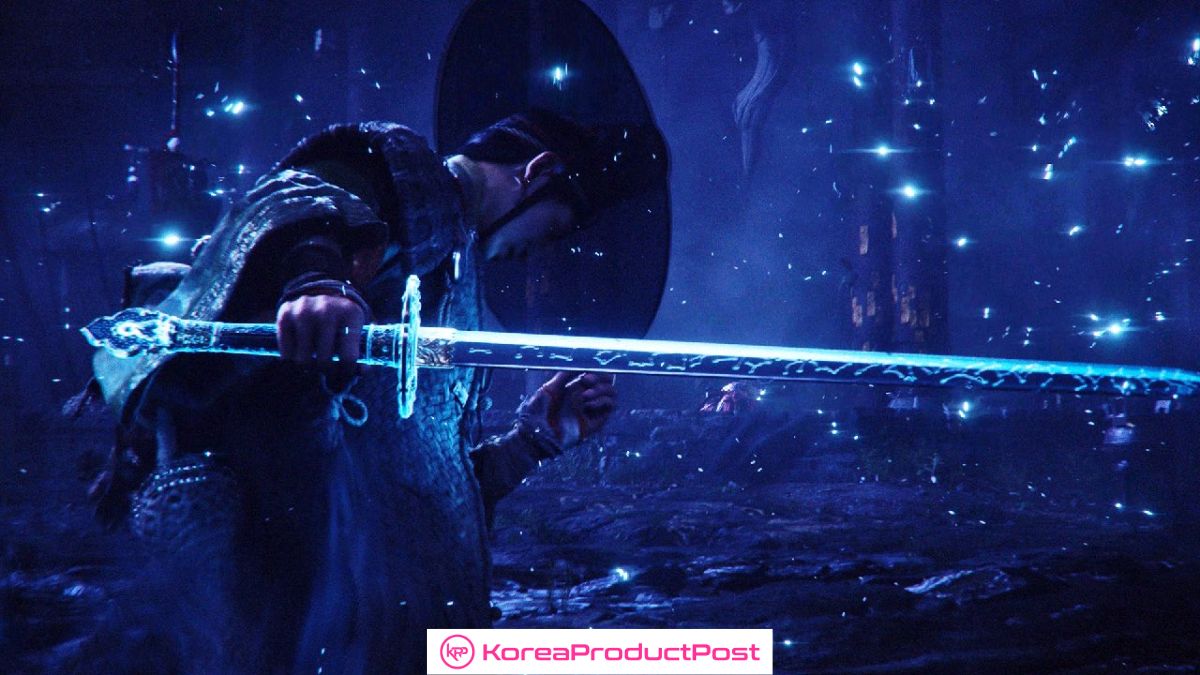
At its heart, the latest game from Nexon, the Korean gaming giant, is not just another fantasy release. It is a cultural project that takes Jeon Woochi, the trickster mage of Joseon-era tales, and places him in a cinematic, story-driven world built with Unreal Engine 5. The teaser trailer already sets the tone: Woochi squaring off against a mysterious shaman in a moonlit forest, spells exploding in the dark. It is folklore meeting blockbuster spectacle.
For Nexon, Woochi the Wayfarer also marks a new direction. Known for online multiplayer hits like MapleStory and Dungeon & Fighter, the publisher is now stepping into narrative-driven storytelling, a space dominated by Japanese RPGs and Western action titles. With Woochi, Korea’s gaming industry is aiming higher, blending cultural heritage with global market ambition.
The question is simple. Can a centuries-old folk hero carry Korea into the next stage of the gaming wave?
The Story Behind Woochi
Every culture has a hero who bends the rules. In Korea, that hero is Jeon Woochi. He is not the noble warrior or tragic prince you find in most legends. He is a magician and a trickster, someone who laughs at authority while protecting ordinary people from corruption. His story, first told in the Joseon Dynasty, has survived for centuries because it is fun, rebellious, and just a little mischievous. He first appeared in The Tale of Jeon Woochi, a classic Korean narrative.
Woochi is the type of character who can turn a serious world upside down with clever tricks. He is witty, powerful, and never afraid to embarrass the powerful. That spirit has made him one of Korea’s most memorable folk figures, a symbol of both justice and playful rebellion.
Woochi’s influence has extended beyond oral tradition and literature. In 2009, he was reimagined for modern audiences in the fantasy film Jeon Woochi: The Taoist Wizard, which brought his adventures to a contemporary setting. The film became one of the year’s biggest hits in Korea, proving Woochi’s charm works in any era.
Now, imagine stepping into his shoes yourself. Imagine casting spells across a Joseon landscape filled with shamans, mythical beasts, and scheming officials. With Woochi the Wayfarer, Nexon is not just retelling a folktale. It is giving players the chance to live inside it, to feel the thrill of being Korea’s legendary trickster mage.
The Game: Woochi the Wayfarer
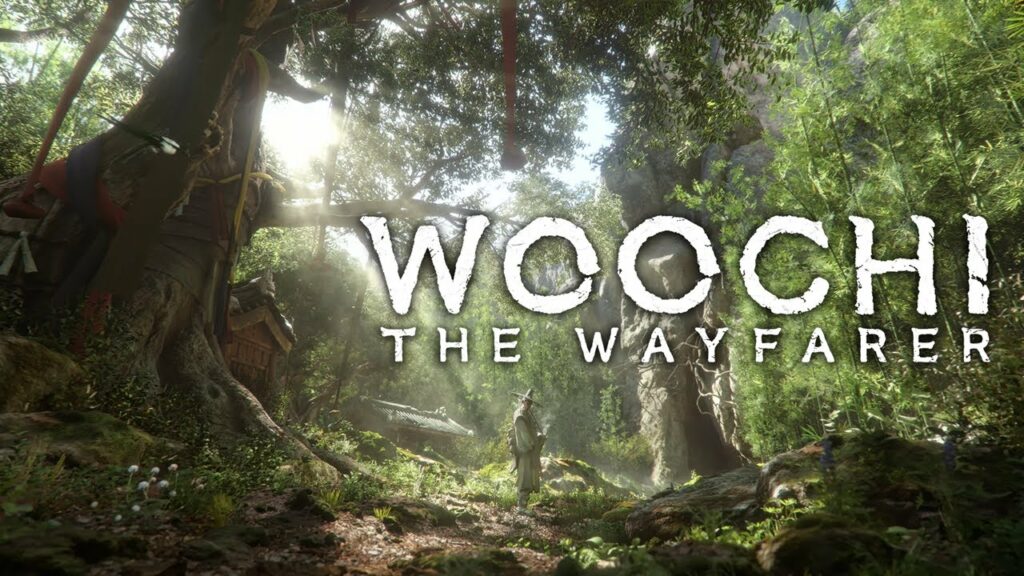
Woochi the Wayfarer is Nexon’s boldest project yet. It is a single-player action-adventure game, created by LoreVault Studio under Nexon Games. Unlike Nexon’s long history of online worlds, this game is designed for players who want to lose themselves in story.
The setting is a reimagined Joseon-era Korea. Forests glow under the moonlight. Ancient villages hide secrets. Shamans perform rituals as shadows flicker across their faces. At the center of it all is Woochi, a mage who mixes humor with raw magical power. You play as him, tricking rivals, challenging corruption, and facing beasts straight out of folklore.
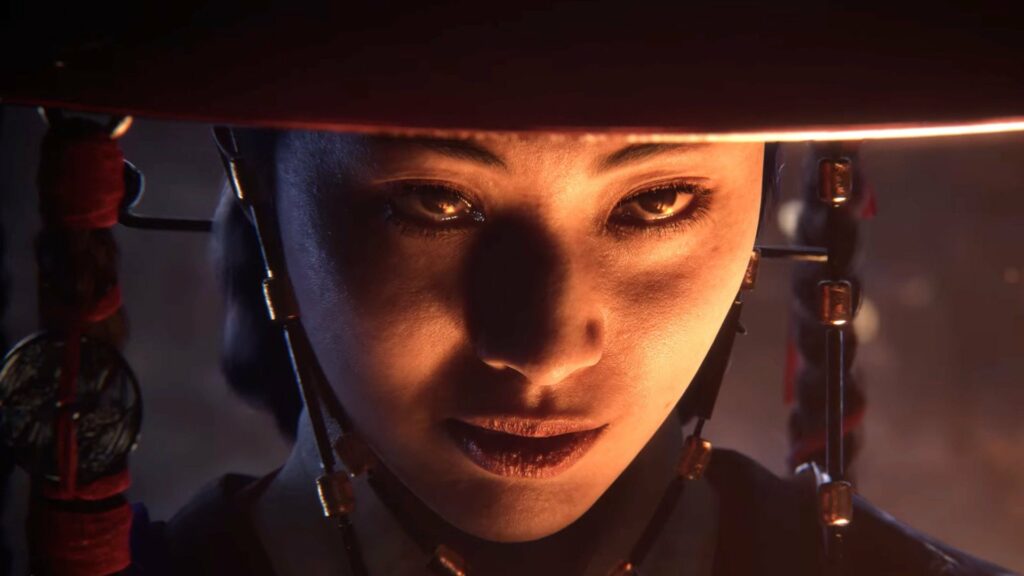
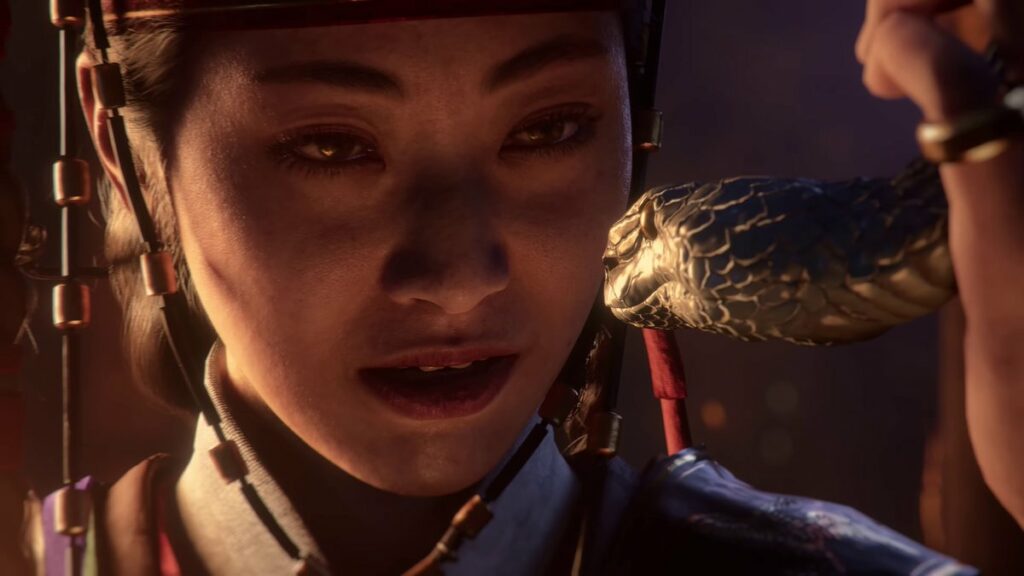
The teaser trailer already showed what makes this different. A tense duel unfolds in the woods between Woochi and a shaman named Myoan. Incantations crackle in the air. The fight feels cinematic, more like a scene from a movie than a traditional game cutscene. It sets the tone for combat that feels alive, stylish, and magical.
Music adds another layer. Jung Jae-il, the composer behind Parasite and Squid Game, is creating the soundtrack. His blend of traditional Korean sound with modern cinematic flair will make every duel, every quiet village, and every sweeping landscape feel authentic.
This is not just another action game. It is an invitation to step into Korean mythology, to wield magic in a world painted with color and history, and to experience folklore as something living and powerful.
Woochi the Wayfarer is based on traditional themes unique to Korea. It will provide a fresh and unique gameplay experience with emotional universality that anyone in the world can relate to.
Park Yong-hyun, CEO of NEXON GAMES
Why Woochi the Wayfarer Matters
For Nexon, Woochi the Wayfarer is more than a creative gamble. It is a statement. Nexon built its empire on online multiplayer hits like MapleStory and Dungeon & Fighter. Those games rely on community, constant updates, and microtransactions. Woochi is the opposite. It is a premium, single-player story that asks players to pay once and dive into a finished adventure. This is new territory for the company, and it could reshape its future.
The timing could not be better. Last year, China’s Black Myth: Wukong exploded onto the scene and proved that global audiences are hungry for games rooted in Asian mythology. Nexon wants Woochi to be Korea’s answer to that demand. If it works, Woochi could become Korea’s first true folklore-based franchise in gaming, one that travels far beyond its borders.
The business implications stretch further. Korea has already conquered music and television, with BTS and Squid Game becoming cultural exports worth billions. Games are the next frontier. Woochi the Wayfarer could join that wave, not only as a product but as a platform for spin-offs, merchandise, and cross-media adaptations.
This is also about soft power. Every player who explores Woochi’s world is experiencing a piece of Korea’s cultural identity. Every spell, every story, every note of the soundtrack spreads that identity further. For Nexon, the rewards are financial. For Korea, the rewards are cultural. Together, they make Woochi the Wayfarer more than a game. It is a business strategy wrapped in folklore.
For Korea’s cultural economy, this is more than just entertainment. It is also a step toward building sustainable transmedia brands that compete directly with Japanese RPGs and Western blockbuster games, while showcasing the richness of Korean heritage in a new, interactive format.
Challenges and Opportunities
A project as ambitious as Woochi the Wayfarer comes with risks. The global stage is already crowded with heavyweights. Japanese RPGs like Final Fantasy and Persona have loyal followings that span decades. Western blockbusters such as God of War and Elden Ring dominate conversations and sales charts. For Nexon, breaking into this space means competing against some of the most established franchises in gaming.
There is also the question of Nexon’s own fans. The company’s identity has been tied to online multiplayer worlds for years. Players who grew up with classics may not immediately connect with a single-player adventure. Nexon will need to balance two challenges at once: convincing loyal fans to try something new while also reaching players who have never touched a Nexon game before.
Yet the opportunities are too big to ignore. Black Myth: Wukong showed the world that Asian mythology can fuel a global hit. Korea’s folklore is just as rich, and Woochi is the perfect character to lead that charge. If the game resonates, it could inspire sequels, webtoons, dramas, or even films. Woochi could grow into a franchise that stands shoulder to shoulder with Korea’s most successful exports.
That is what makes Woochi the Wayfarer so exciting. It is not only a chance to play as a mischievous mage. It is a chance for Korea to carve out a new place in the global gaming industry, where tradition meets opportunity.
Conclusion
Woochi the Wayfarer is more than a game. It is a bold experiment that blends Korean tradition with global ambitions. By adapting the legend of Jeon Woochi into a modern action-adventure, Nexon is not only expanding its portfolio but also testing how far Korean folklore can travel in today’s entertainment market.
If the game succeeds, it could open the door for a new wave of storytelling from Korea, just as K-pop and K-dramas reshaped music and television worldwide. It shows that games can be cultural exports too, carrying national identity while competing at the highest level of global gaming.
Whether Woochi becomes a global franchise or a cult favorite, it proves one thing: Korea is ready to use games as the next frontier of the Korean wave. And this time, the magic of folklore may be the country’s strongest weapon.
Join us on an exciting journey to explore the vibrant world of Korean lifestyle – from the latest beauty tips to the hottest tech and so much more on Facebook, Twitter, LinkedIn, and Flipboard.