
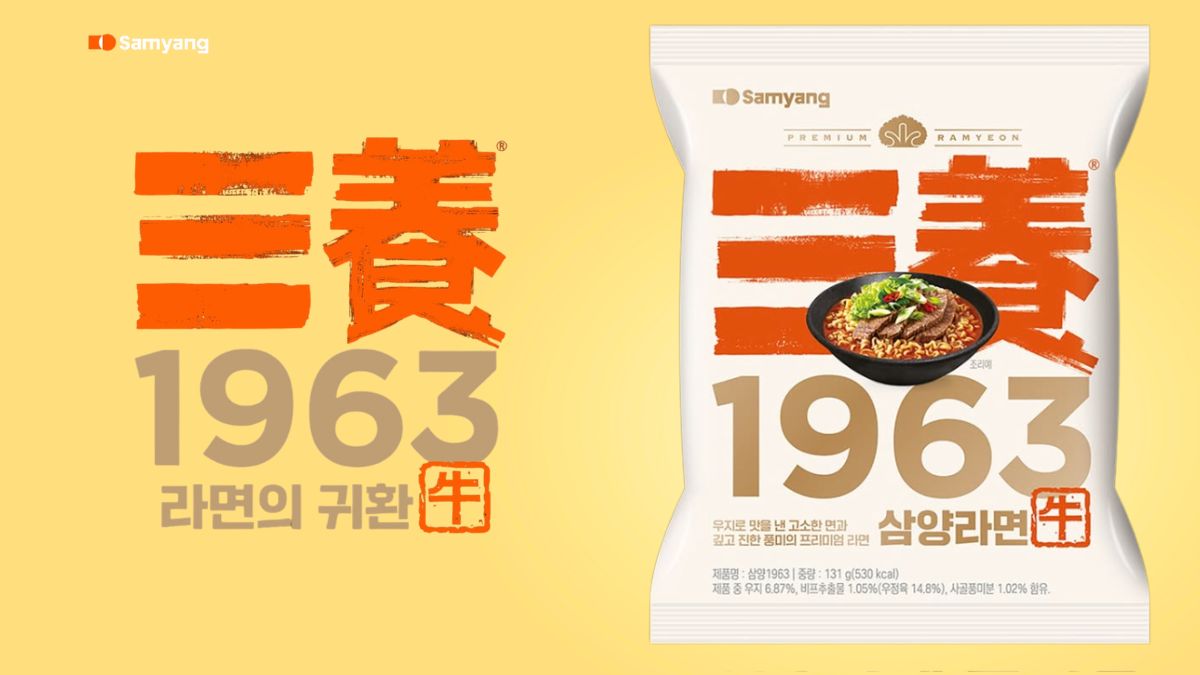
A Taste of History Returns
Nearly sixty years after Korea’s first instant noodle was born, Samyang Foods is bringing the flavor back to life. The company has introduced Samyang 1963, a faithful revival of its very first ramen recipe.
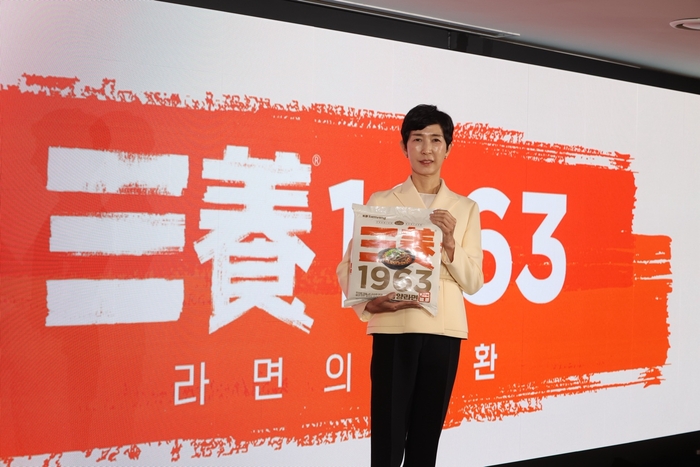
Samyang 1963 is a modern revival of Samyang’s founding spirit, a restoration of honor and a return to sincerity. Today, 36 years later, Samyang once again stands before the world to reaffirm the truth. We’ve grown into a global food company, and this is just the beginning of a new wave of innovation.
Samyang Foods Vice Chair Kim Jung-soo
This launch is not just about a new product. It is a return to the company’s roots. Founder Chun Joong-yoon first created the noodles in 1963 to give Koreans an affordable and comforting meal during difficult times.
Now, Samyang 1963 brings back the same idea — simple, hearty, and nostalgic. The new version uses beef tallow (우지) in the soup base, just like the original. This choice adds a rich, savory taste that connects modern consumers with the country’s early food culture. Moreover, for the first time in the company’s broth-ramen line, it includes a liquid soup packet made with beef bone extract, which adds deeper flavour.
In today’s market, full of bold fusion flavors and extreme spice, Samyang 1963 feels refreshingly different. It celebrates authentic Korean taste and culinary history, showing that tradition can still excite today’s noodle lovers.
The Birth of a National Staple (1963)
When Samyang Ramen first appeared in 1963, South Korea was still rebuilding after the war. Food was scarce, and people searched for cheap, filling meals. Chun Joong-yoon, the founder of Samyang Foods, saw this need and acted on it.
Inspired by Japanese instant noodles, he built Korea’s first instant ramen. Using U.S. aid wheat flour and a simple recipe, he made a product that many could afford. The noodles cooked in minutes and quickly became a symbol of progress and comfort.
Families, students, and workers all embraced this new food. It was warm, fast, and satisfying — perfect for a country on the move. Over time, Samyang Ramen turned into a national staple and a familiar flavor that many Koreans grew up with.
Because of its success, other companies followed. As a result, Samyang’s creation sparked Korea’s instant-noodle revolution. Today, this product category is globally recognised, and the company’s heritage is a major asset.
The Beef Tallow Controversy That Changed Everything
For more than two decades, Samyang Ramen remained a household favorite in Korea. However, in 1989, everything changed. A widespread rumor claimed that Samyang Foods and other instant noodle makers were using industrial-grade beef tallow in their products.
The story spread fast and caused public panic. Although the claims were later dismissed as unproven, the damage was significant — the company’s market share sank, and its reputation was hit hard.
The crisis marked a turning point. To rebuild consumer trust, Samyang replaced beef tallow with vegetable and palm oils. Most Korean ramen companies soon did the same. This move restored trust, but the richness and flavour of the original tallow-fried version were lost in the process.
Despite the hardship, Samyang survived. The brand rebuilt slowly through new flavors and export markets. The company refocused, and its global hit “Buldak” (Hot Chicken) line helped rebuild momentum. Its ability to recover became a lesson in resilience and reputation management within Korea’s food industry.
Now, decades later, the company is finally ready to face that painful chapter. By reintroducing beef tallow in Samyang 1963, Samyang Foods is sending a clear message: it’s time to reclaim its past, not run from it.
Samyang 1963 – A Revival with a Modern Twist
Today, Samyang 1963 is more than just a nostalgic remake. It is a thoughtful revival that respects the past while meeting modern expectations for quality and safety.
The new recipe brings back beef tallow, the ingredient that once defined Samyang’s deep, meaty flavor. However, this time, the company uses it in a carefully refined, food-safe process that follows strict modern standards. Additionally, Samyang has introduced a separate liquid packet with beef bone extract, making the broth deeper and more premium — a first for its soup-ramen line. This approach restores the authentic richness of the original broth while ensuring complete consumer confidence.
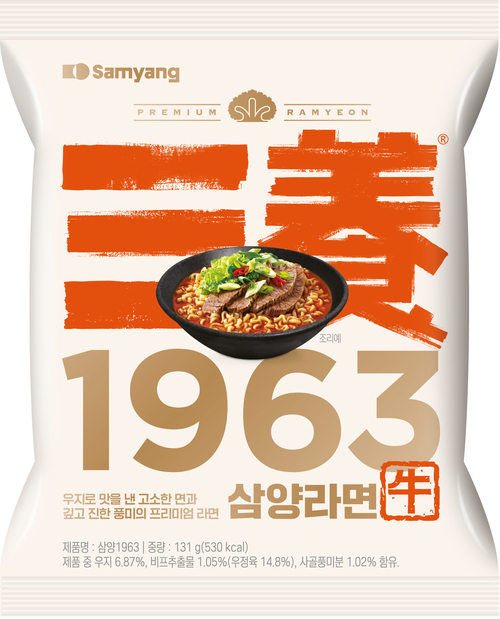
Visually, Samyang has leaned into nostalgia. The retro-inspired packaging echoes the look of its early products, with warm colors and simple design elements. This classic style stands out on today’s crowded store shelves, creating an instant emotional connection with older consumers — and curiosity among younger ones.
Samyang 1963 is positioned as a premium comfort food. It’s priced in the 1,500 Korean won range, about 400–500 won higher than standard instant noodles. The difference reflects the higher cost of beef tallow compared to palm oil. The key question now is whether consumers, accustomed to the lighter taste of palm-oil ramen, will embrace the richer, heavier flavor of tallow.
By bringing back its original taste and story, Samyang Foods has turned a product relaunch into a cultural event. The company is not just selling noodles; it is inviting consumers to experience a piece of Korea’s food history — reborn for a new generation.
Why Nostalgia Sells in 2025
Across industries, nostalgia marketing is thriving — and Korea is leading the way. In 2025, consumers want products that feel authentic, emotional, and comforting. After years of global uncertainty, people are rediscovering the joy of the familiar.
For many Koreans, Samyang 1963 represents more than just ramen. It reminds them of family meals, school days, and the taste of simpler times. For younger generations, it offers a new way to connect with cultural history they’ve only heard about. This shared sense of heritage builds emotional trust that few modern products can match.
Brands are taking notice. From Binggrae’s retro Banana Milk packaging to Orion’s classic Choco Pie editions, Korean companies are using nostalgia to deepen brand loyalty. These campaigns show that old recipes and designs can spark new excitement — especially when presented with a modern twist. Samyang’s move is aligned with this shift: beef tallow is being re-valued as a quality ingredient, not a liability.
Globally, this trend fits perfectly with the “comfort food revival.” Consumers from Seoul to San Francisco are looking for warmth and authenticity in what they eat. Samyang 1963 captures that perfectly. It blends tradition with quality and reminds people that flavor is as much about memory as taste.
In short, nostalgia sells because it feels real. And in a fast-changing world, that connection to the past can be more powerful than any new trend.
A Tribute to Legacy and Resilience
The story of Samyang 1963 is not just about noodles. It is about heritage, perseverance, and renewal. For Samyang Foods, this revival is both a business decision and a heartfelt tribute to its founder, Chun Joong-yoon — a man who believed that good food could lift people’s spirits even in hard times.
Over the past six decades, Samyang has faced triumphs and setbacks. From introducing Korea’s first instant ramen to surviving the 1989 controversy, the company’s journey mirrors Korea’s own path — one of hardship, adaptation, and remarkable growth.
With Samyang 1963, the brand closes a long chapter and opens a new one. It honors its origins while embracing the expectations of a new generation of consumers who value both authenticity and innovation. This revival shows that tradition and modernity are not opposites — they are partners in storytelling.
Ultimately, Samyang’s comeback proves something powerful: brands that remember where they come from can keep moving forward. Through Samyang 1963, a taste born in the 1960s has found new life in 2025 — reminding everyone that true flavor never fades.
Join us on an exciting journey to explore the vibrant world of Korean lifestyle – from the latest beauty tips to the hottest tech and so much more on Facebook, Twitter, LinkedIn, and Flipboard.