
South Korea’s 2026 culture budget marks a turning point for the country’s content industry. With expanded funding for K-content, tourism, and creative infrastructure, the government is positioning cultural exports as a long-term growth strategy.
South Korea is moving to lock in its global content advantage while it still has momentum. It’s global cultural success is no longer a soft-power side effect. In its 2026 national budget, the government is making a stronger claim: K-culture is now a strategic industry.
The Ministry of Culture, Sports and Tourism (MCST) will receive 7.86 trillion won next year, an 11.2% increasefrom 2025. The rise places culture, content, and tourism among the most aggressively funded policy areas.
The message to the market is clear: Korean content is no longer just a soft-power success story. It is being treated as a repeatable export industry, backed by capital, infrastructure, and long-term policy support.
For companies operating in media, gaming, entertainment, and tourism, the signal is unmistakable: K-content is being industrialized. For studios, platforms, and investors, this budget is less about culture—and more about where Korea sees its next growth engine.
Content Industry Takes Center Stage
The most notable shift in the 2026 budget is the scale of investment in content.
Funding for the content industry will rise to 1.62 trillion won, up from 1.27 trillion won in 2025. That is a 27% year-on-year increase, the largest growth rate across the ministry’s budget.
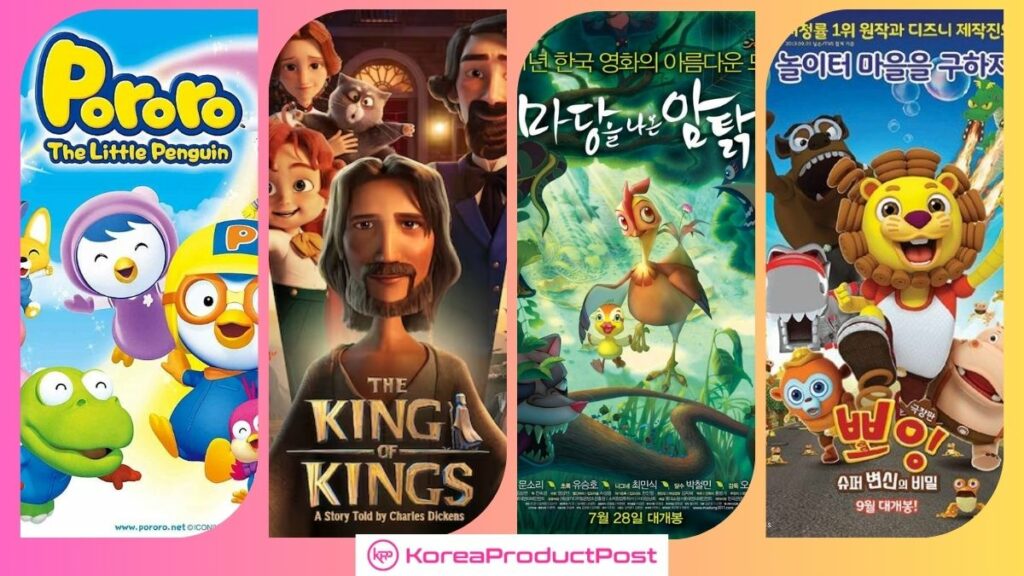
At the center of this expansion is the K-Content Fund, which will receive 430 billion won, up 135 billion won from the previous year. The fund will support films, series, games, animation, and music through investment and financing, not one-off subsidies.
This approach reflects a market-first mindset. By reducing early-stage risk, the government is encouraging private capital to flow into Korean IP, particularly mid-budget projects designed for global distribution.
The government is also investing in infrastructure:
- 15.5 billion won for K-content cultural spaces
- 12 billion won to improve pop music performance venues
- 7.5 billion won to support AI use in game development
Together, these measures aim to strengthen both production and consumption.

Moving From Creativity to Commercial Results
The 2026 budget reflects a shift in how Korea supports culture and its shift in logic.
Cultural policy is no longer framed around preservation or promotion alone. Instead, it is tied to commercialization, export potential, and industry competitiveness.
Public funding targets:
- Lower risk for private investors
- Speed up content development
- Help IP scale across borders and platforms
This matters in a global market where demand for non-English content continues to grow, but competition is intensifying. Korean studios are no longer competing only with Hollywood. They are competing with Japan, Europe, and emerging content hubs across Asia.
Support for AI tools in game development reflects this reality. AI can reduce costs, shorten development cycles, and improve efficiency. For Korean game studios facing global pressure, this is a practical, not symbolic, investment.
Culture and Arts Focus on Talent and Access
While content grabs attention, culture and arts remain the largest budget category, with 2.67 trillion won allocated in 2026.
Here, the emphasis is structural.
Rather than funding individual productions, the government is investing in people and access:
- Youth Culture and Arts Pass: 36.1 billion won
- Support for young and emerging artists: 18 billion won
- Artist welfare funding: 5 billion won
These measures aim to stabilize careers in creative fields, where income volatility remains a major issue. From an industry perspective, this is workforce policy. Without sustainable careers, Korea’s content advantage erodes over time.
Tourism Turns Popularity Into Spending
Tourism plays a key role in turning cultural success into real economic activity.
The tourism budget for 2026 is 1.48 trillion won.
Major allocations include:
- 291.5 billion won for an integrated travel and culture pass
- 710.5 billion won in financial support for tourism businesses
- 5 billion won for regional tourism pilot zones
These programs link K-content with travel. Fans of Korean dramas, music, and games are encouraged to visit filming locations and regional destinations.
This approach spreads economic benefits beyond Seoul. It also supports small businesses and local governments.
For international visitors, it reinforces Korea’s positioning as a destination where content, lifestyle, and experience converge.
Sports and Lifestyle Complete the Cultural Economy
The 1.7 trillion won allocated to sports plays a complementary role in the broader cultural economy. Investments in public facilities, athlete development, and participation programs—particularly for older citizens—reflect Korea’s focus on lifestyle and wellness as part of its cultural brand.
Key spending areas include:
- 288.4 billion won for sports industry support
- 95.3 billion won to renovate public sports facilities
- 7.5 billion won for sports programs for older adults
While sports funding may not generate immediate export revenue, it supports domestic engagement, improves quality of life, and strengthens Korea’s image as a holistic cultural destination. In economic terms, it contributes to the long tail of the culture industry.
Why This Matters to Global Markets
South Korea’s 2026 culture budget is not just a domestic policy document—it is a signal to global markets.
As demand for non-English content grows and platforms seek diversified IP, Korea is positioning itself as a reliable, scalable content hub. The combination of public financing, technological adoption, and ecosystem investment creates opportunities for foreign investors, distributors, and production partners.
In contrast to ad-hoc cultural promotion models, Korea’s approach resembles a coordinated industrial strategy, integrating content, tourism, technology, and talent development.
Risks and Execution Challenges
The ambition is high, but risks remain.
Public funding must not crowd out market discipline. IP protection and revenue sharing will become more critical as output grows. Global audiences are also fickle, and saturation is a real threat.
Ultimately, success will depend on execution—how efficiently funds are deployed and how well private capital responds.
K-Culture Enters Its Industrial Phase
South Korea’s 2026 culture budget draws a clear line between past success and future intent.
K-content is no longer being supported because it is popular. It is being backed because it is economically strategic. The shift matters for companies deciding where to invest, which markets to prioritize, and how to structure IP partnerships in the years ahead.
Execution will determine whether this strategy delivers sustainable returns or simply more output. But one thing is already certain: K-culture has moved out of the promotional phase and into the industrial one.
For global players in media, gaming, and entertainment, Korea is signaling that it wants to be more than a source of hits. It wants to be a long-term content base.
Join us on an exciting journey to explore the vibrant world of Korean lifestyle – from the latest beauty tips to the hottest tech and so much more on Facebook, Twitter, LinkedIn, and Flipboard.