
From government policy and startup funding to exports and M&A, here’s a complete wrap-up of the K-Beauty industry in 2025.
For years, the global rise of K-beauty has been driven by speed—fast product cycles, trend-led innovation, and social media virality. In 2025, however, the Korean beauty industry entered a more structural phase. Rather than being defined by breakout ingredients or viral formats, the year was shaped by policy intervention, capital realignment, export diversification, and consolidation across the value chain.
Taken together, these developments suggest that K-beauty in 2025 was less about acceleration and more about institutionalization. A transition from rapid growth to long-term global positioning of the K-beauty.
Policy Moves Signal K-Beauty’s Strategic Importance
One of the most consequential developments for the K-beauty industry in 2025 was the South Korean government’s decision to take a more direct role in shaping the sector’s future.
In April, the Ministry of SMEs and Startups launched a ₩40 billion public-private K-Beauty Fund. It is designed to support cosmetics brands, beauty technology startups, and key players across the value chain—from R&D and branding to overseas distribution. Backed by both public capital and private-sector partners, including major ODM manufacturers, the fund marked a shift away from generic export promotion toward targeted industrial policy.
This move reflected growing recognition of Korean cosmetics as a strategic export category, particularly as global competition intensified and trade environments became more complex. Rather than relying solely on market momentum, policymakers signaled an intent to reinforce competitiveness through capital access, scale support, and export resilience.
Alongside the fund, agencies such as KOTRA expanded trade missions, buyer matchmaking programs, and regulatory guidance. They are particularly focused on the U.S. and European markets, where compliance and distribution barriers remain high for smaller brands.
Investment Returns, but with Sharper Discipline
After a muted 2024, startup investment in the K-beauty sector rebounded in 2025, though with noticeably different priorities. Rather than funding concept-stage brands, investors favored startups that aligned with Korea’s existing strengths.
Early-stage funding flowed into:
- Science-led skincare brands with clinical positioning
- Beauty platforms and commerce infrastructure
- Startups closely aligned with Korea’s ODM and OEM ecosystem
- Beauty tech and device companies with export potential
This shift mirrors broader trends in K-beauty startup funding in recent years. Now, execution capability and overseas traction increasingly outweigh brand storytelling alone. Notably, foreign venture capital participation increased, reflecting renewed global confidence in Korea’s beauty innovation pipeline. This is significant as Western brands are facing rising R&D and production costs.

M&A Activity Shifts Focus to Infrastructure and Supply Chains
While brand acquisitions remained part of the picture, 2025 saw a notable expansion of M&A activity into K-beauty’s underlying infrastructure.
The most prominent deal of the year was KKR’s acquisition of Samhwa, a major Korean cosmetics packaging company, in a transaction valued at approximately ₩733 billion. The deal highlighted growing investor interest in packaging, materials, and manufacturing capabilities that underpin global beauty growth.
This trend reflected a broader reassessment of value creation within the Korean cosmetics industry. They are not just focusing solely on brand equity. Private equity and strategic investors increasingly targeted scalable, export-oriented supply-chain assets—from packaging and formulation to beauty devices and equipment.
Overall, M&A volume in Korea’s beauty sector reached its highest level in several years. It signals confidence in the industry’s long-term fundamentals despite near-term market volatility.
Exports Anchor Growth as Markets Diversify
Exports remained the backbone of the K-beauty market in 2025, with South Korea continuing to climb global rankings among cosmetics exporters.
While China’s importance continued to moderate, Korean beauty brands made significant gains in:
- The United States
- Europe
- Southeast Asia
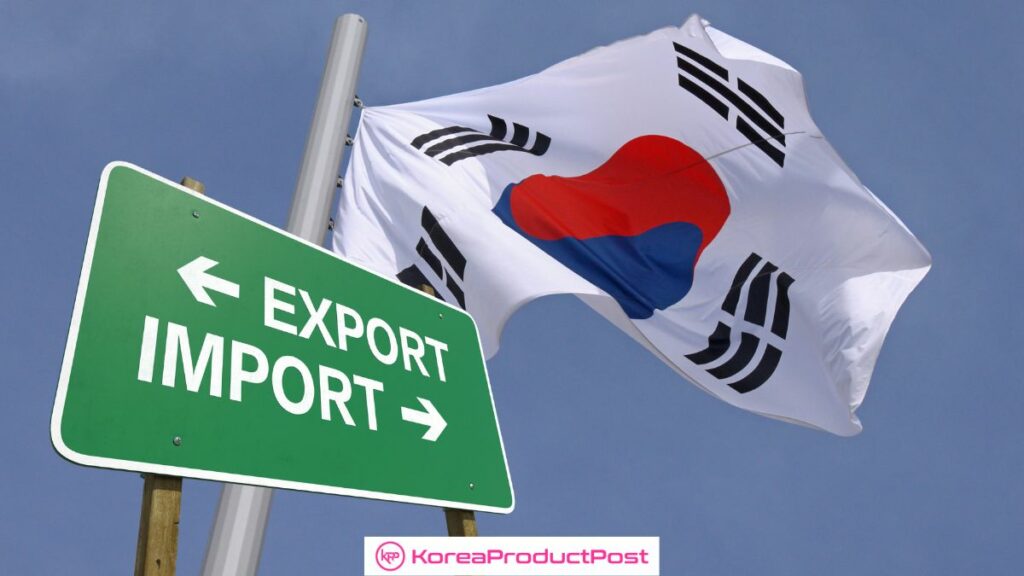
Export growth was supported by a mix of traditional distribution partnerships and newer channels such as cross-border e-commerce and social commerce platforms. TikTok Shop, Amazon, and global beauty retailers increasingly served as entry points for Korean brands seeking faster market penetration.
Trade exhibitions, including K-Beauty Expo Korea 2025, played a critical role in facilitating global buyer engagement, reinforcing Korea’s position as a central sourcing and innovation hub for the global beauty industry.
Beauty Tech Expands the Definition of K-Beauty
Another defining feature of 2025 was the mainstreaming of beauty technology within the Korean beauty industry.
At-home skincare devices, diagnostic tools, and medical-aesthetic technologies gained visibility both domestically and overseas, blurring the lines between cosmetics, dermatology, and wellness. Companies such as APR demonstrated how beauty tech could drive significant corporate valuations, challenging traditional product-centric growth models.
This trend suggests that K-beauty’s future growth may rely not only on formulation innovation, but also on hardware, data, and technology-enabled skincare ecosystems.
Domestic Market Adjustments and Cultural Undercurrents
Within South Korea, consumer behavior continued to shift in 2025. Mass and mid-priced beauty segments outperformed premium categories, reflecting heightened price sensitivity and demand for functional value.
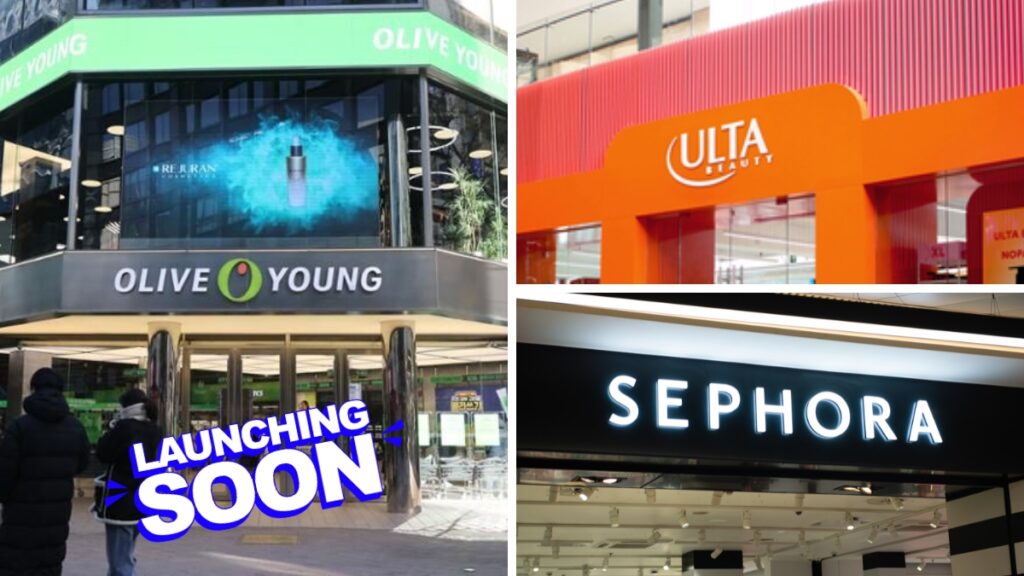
Retailers such as Olive Young remained central to both domestic consumption and global discovery. These retailers are increasingly serving as a bridge between Korean brands and overseas consumers through online channels.
At the same time, public debate around beauty standards and social pressure resurfaced in policy discussions. It highlights the cultural and economic weight the beauty industry continues to carry in Korea.
2025 as a Transitional Year for K-Beauty
In retrospect, 2025 stands out as a transitional year for K-beauty. The industry moved beyond rapid trend cycles toward a more structured model. It is shaped by policy support, disciplined investment, supply-chain consolidation, and diversified global trade.
Rather than signaling a slowdown, this shift suggests a new phase of durability—one in which the Korean beauty industry competes not only on speed and innovation, but on infrastructure, governance, and long-term global relevance.
As K-beauty moves into 2026, the foundations laid in 2025 may prove more influential than any single viral product—marking the year when Korean beauty fully embraced its role as a mature global industry.
As KoreaProductPost continues to track exports, startups, and policy developments, 2025 may ultimately be remembered as the year K-beauty moved decisively from trend leadership toward institutional global industry status.
Join us on an exciting journey to explore the vibrant world of Korean lifestyle – from the latest beauty tips to the hottest tech and so much more on Facebook, Twitter, LinkedIn, and Flipboard.