
Korea’s Olive Young is bringing its beauty empire to the U.S. in 2026. Here’s how it could reshape K-beauty retail, challenge Sephora, and spark new investor trends.
K-Beauty’s Next Battle: From Seoul to Sephora
K-beauty isn’t just trending — it’s transforming America’s beauty shelves. According to Business Insider, U.S. sales of Korean skincare and makeup hit $2 billion in 2025, a 37% year-over-year jump. That surge has sparked a retail turf war among giants.
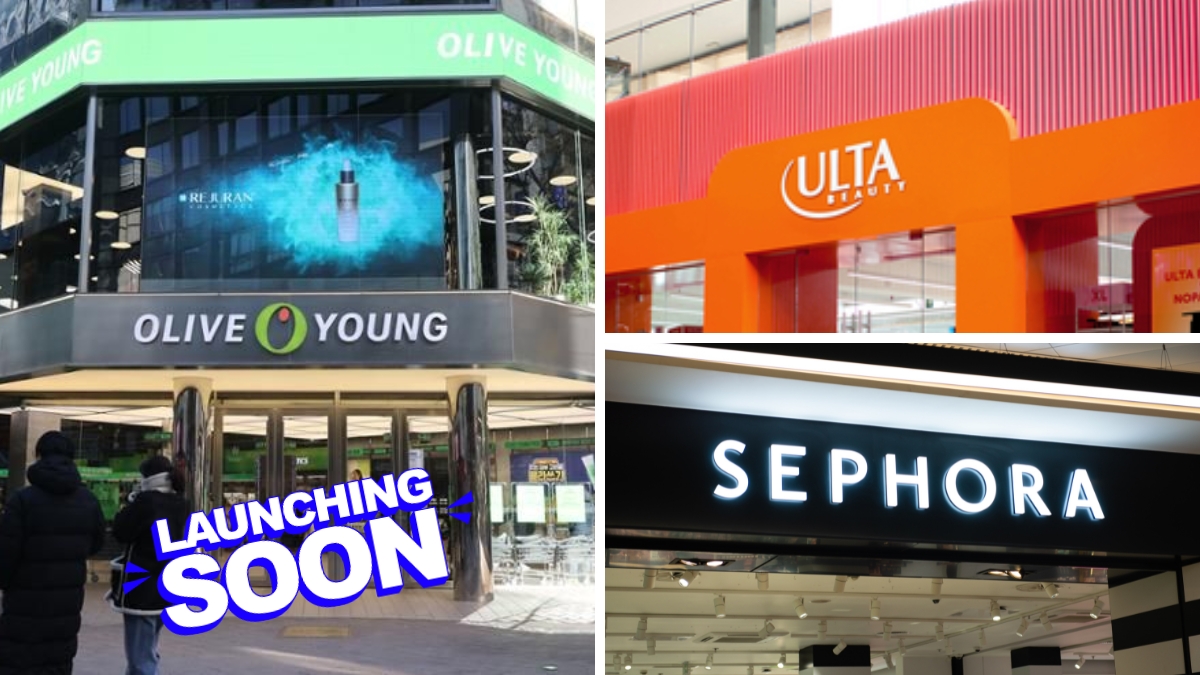
Sephora and Ulta Beauty are racing to sign exclusive deals with Korean brands, hoping to cash in on TikTok-driven trends like “glass skin.” Sephora exclusively carries Hanyul and Aestura (Amorepacific) and Goodai Global’s Beauty of Joseon. Ulta, on the other hand, has APR’s Medicube skincare products and beauty devices along with Anua. This ensures that these giants have the first-mover advantage as K-beauty takes a prominent retail space.
But the bigger story is what’s coming next: Olive Young, Korea’s largest beauty-retail chain, is preparing its U.S. debut in 2026. Its arrival could reshape how American shoppers discover — and buy — K-beauty.
What began as a niche import is now a retail revolution.
The Retail Power Shift: Olive Young’s U.S. Gamble
From Seoul’s Streets to America’s Aisles
For two decades, Olive Young has dominated Korea’s beauty scene — the place to grab skincare, supplements, and sheet masks in one stop. Backed by CJ Group, it operates more than 1,300 stores and a thriving e-commerce empire. Now, it’s bringing that model to the U.S.
According to Business Insider, Olive Young aims to launch stores in 2026, following online pilots that tested American demand. It’s not just selling beauty — it’s exporting a shopping culture built on discovery, curation, and rapid trend cycles.
“They’re not just bringing products; they’re bringing a way of shopping,” says one retail analyst.
Why It Matters
Unlike traditional exporters, Olive Young wants to own the full consumer experience — from shelf layout to social engagement. Its sleek stores and fast product rotation could offer something Sephora doesn’t: authentic Korean curation.
Still, competition is fierce. Business Insider notes that many top Korean brands are already locked into exclusive U.S. retail deals, forcing Olive Young to spotlight smaller indie labels instead.
The question isn’t whether Olive Young can open stores — it’s whether it can sell Seoul’s soul in Los Angeles.
Localization: Can Olive Young Sell Seoul’s Style to the U.S.?
K-beauty thrives on innovation and storytelling — think snail mucin serums and minimalist packaging. But U.S. consumers shop differently. While Korean buyers love curated beauty zones, Americans prefer quick, goal-driven browsing.
To win hearts, Olive Young must tailor everything — layout, messaging, even pricing. The retailer’s strength lies in routine-based curation: skincare for “hydration days” or “stress skin.” Translating this concept into U.S. retail could make it a discovery hub rather than a duplicate of Sephora or Ulta. And thanks to the tariff uncertainties, Olive Young can give US consumers easy access to a variety of K-beauty brands that are not as easy to obtain now.
Affordability remains core to its appeal. Korean beauty has always offered “affordable efficacy”, but import costs and tariffs could erode that advantage. Olive Young’s U.S. site already focuses on safe categories like sun care and hydration — smart moves for FDA compliance and broad appeal.
The challenge: keeping K-beauty’s playful energy while fitting into the American consumer’s comfort zone.
Barriers Behind the Beauty Glow
The Hidden Costs of Going Global
Entering the U.S. means navigating complex FDA rules, ingredient labeling, and packaging standards. Terms like “whitening” — common in Asia — are prohibited. Every delay or relabeling adds cost and slows momentum.
Then there’s logistics. K-beauty relies on freshness and fast turnover. Products often have short shelf lives or temperature-sensitive formulas. Shipping by air preserves quality but inflates prices, cutting margins by up to 20%, according to supply-chain analysts.
Tariffs and Trade Troubles
Business Insider highlights “tariff turmoil” as both a risk and an opportunity. Stricter U.S. import thresholds make direct shipping harder for small Korean brands — giving Olive Young a chance to serve as a stateside distributor.
Still, local operations demand huge investment: warehouses, compliance systems, and retail staff. Add growing U.S. expectations for sustainability, and the beauty glow comes with serious overhead.
Startup Gold Rush: Where Investors Should Look
Viral First, Retail Next
As U.S. retailers cherry-pick Korean brands with social traction, indie startups are thriving. The formula is clear: go viral online, then scale offline. Business Insider points out that brands like Beauty of Joseon and COSRX have built global followings from niche online buzz.
Olive Young’s U.S. expansion could become a launchpad for emerging Korean brands that lack access to major American distributors — effectively turning it into a retail incubator.
Investment Outlook
Investors should watch for opportunities in:
- Cross-border D2C platforms integrating TikTok Shop or Amazon with U.S. logistics.
- Clean-label Korean brands that meet FDA and sustainability standards.
- Retail tech startups using AI and AR to personalize shopping experiences.
The next billion-dollar K-beauty story might not come from Seoul’s labs — but from a Los Angeles pop-up backed by Olive Young.
What This Means for K-Beauty’s Global Playbook
Korea’s beauty industry is entering a new phase: from trend exporter to retail powerhouse. Olive Young’s move signals a shift toward owning the customer journey — from discovery to checkout.
Business Insider calls it a “retail arms race”, where control of consumer experience is the real prize. It mirrors how K-pop evolved — from music to media to global brand. For Korean companies, the message is clear: go beyond exports, build ecosystems.
Whether Olive Young dominates or not, it’s paving the way for Korean beauty to become a cultural export model, blending lifestyle, retail, and innovation.
The next era of beauty globalization won’t just be about what’s in the jar — but who owns the shelf it sits on.
Join us on an exciting journey to explore the vibrant world of Korean lifestyle – from the latest beauty tips to the hottest tech and so much more on Facebook, Twitter, LinkedIn, and Flipboard.