
TL;DR: Scaling Heritage to Solve Modern Environmental Stress
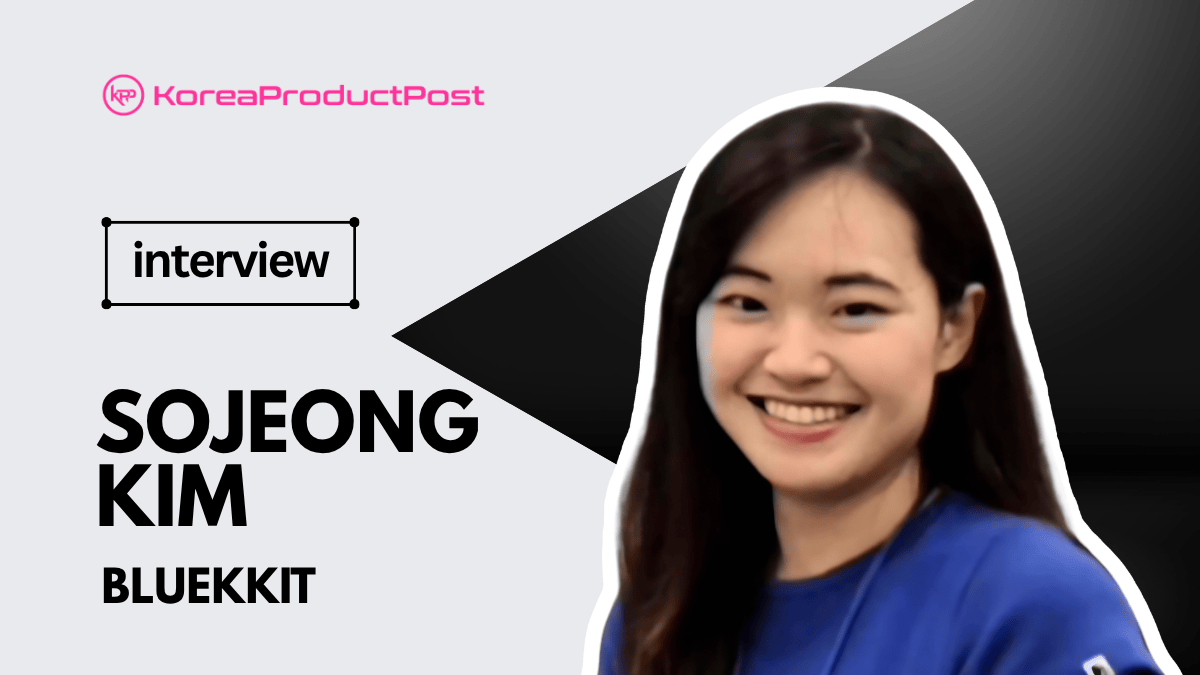
Sojeong Kim, founder of BLUEKKIT, shares how she is bridging 15 years of Busan esthetic heritage with the environmental challenges of modern London. BLUEKKIT is moving K-Beauty beyond trends into a new, lifestyle-led era.
Key Insights:
- The “Sacred” Principle: Prioritizing long-term skin recovery and solving customer pain over surface-level beauty or temporary visual fixes.
- Environment-Led Innovation: Specifically formulating to combat “London Reality”—skin sensitivity and dryness caused by limescale, hard water, and pollution.
- The “Matcha Latte” Strategy: Balancing Korean coastal roots (Sea Kelp) with Western market relatability by incorporating trusted actives like Vitamin C.
- Operational Rigor: Achieving GMP-level manufacturing and international vegan standards to navigate conservative UK regulatory hurdles.
- K-Beauty 3.0: Defining the next wave of Korean beauty as a realistic, consistent support system for skin resilience in everyday life.
Sojeong Kim, founder of BLUEKKIT, isn’t just selling serums; she is pioneering a new category: Environment-Led Skincare. Born from her mother’s 15-year legacy in a Busan esthetic salon, BLUEKKIT bridges the gap between high-touch Korean tradition and the harsh environmental realities of modern London life. In this exclusive feature, Sojeong reveals how she transitioned from a service model to a global product brand, the “sacred” principles she refuses to compromise, and why “K-Beauty 3.0” is about lifestyle, not just trends.
The Soul of the Brand: From Busan Salons to London Labs
The transition from a mother’s brick-and-mortar salon in 2010 to a London-based tech-driven brand required more than just a flight. It required a commitment to a “service-first” philosophy where the goal isn’t surface-level beauty, but deep skin recovery. Despite the rapid pace of the UK market, Sojeong remains anchored to the problem-solving roots of her family’s heritage.
Q: Your mother’s salon in Busan was a place of high-touch, physical service for 15 years. What was the one “sacred” principle from her treatment room that you refused to compromise on, even when pressured to simplify for global manufacturing?
Sojeong Kim: The one thing I refused to compromise on was this: is this actually solving the customer’s pain, or is it just making their skin look better for a moment?
If we do not believe a product is genuinely helping the skin improve, recover, or function better, then we do not think it should be released just to sell.
Sojeong Kim, Founder BLUEKKIT
My mother started her salon because she had suffered from severe acne for over a decade, and she wanted to help people dealing with real skin stress. From the beginning, her work was always about solving problems, not just creating surface-level beauty. For us, skincare is not just about appearance; it is about helping the skin recover.
Q: If your mother walked into your London office today, what is the one thing about modern “Beauty Tech” she would find most unrecognizable—and what hasn’t changed at all?
Sojeong Kim: To be really honest, I don’t think she would be that surprised by so-called ‘Beauty Tech’ itself, because South Korea has been advanced in skincare innovation and aesthetic technology for a long time. What she might find interesting is that in London, advanced beauty treatments are often experienced through spas and aesthetic clinics, whereas in Korea, skincare culture is more closely tied to dermatology clinics and medical settings. What definitely has not changed is people’s desire to look better, feel better, and their willingness to invest in that. That emotional desire behind skincare is still the same.
The Science of Signal: Regulatory Rigor and Manufacturing Standards
Expanding into the UK wasn’t just a marketing challenge; it was a technical one. Adapting to Western cosmetic safety standards forced the brand to adopt a level of operational discipline that ultimately made the system behind the products stronger.
Q: Transitioning from Korea’s K-Beauty regulations to the UK’s cosmetic safety standards is a significant hurdle. What was that process like for the brand?
Sojeong Kim: It was harder than we expected, both in terms of time and cost.
Adapting to Western standards made us much more careful and structured in how we choose ingredients and manage the whole production process.
Sojeong Kim, Founder BLUEKKIT
It pushed us to operate at a higher level of discipline. As a result, we achieved GMP-level manufacturing standards like ISO 22716, and we are also currently going through international vegan trademark processes. While it felt like a hurdle at first, it ultimately made both the product and the system behind it stronger.
Q: Most skincare is 70-80% inactive water, which you’ve replaced with “Sea Kelp Functional Water.” How much harder is it to scale when you refuse the industry’s cheapest filler?
Sojeong Kim: It is obviously much harder. Using normal purified water is easy, fast, and cheap. For our sea kelp functional water, we have to bring in the kelp, wash it properly, boil it, and then put it through an extraction process. Every step is handled by hand from start to finish, so compared to simply using ready-made purified water, it is a completely different level of work. Because of that, the volume is still limited, costs are higher, and production quantity is lower. But we made that choice because we did not want the base of the formula to be empty.
The Pivot: Translating Heritage for the Western Market
Success in a new market often requires a “Matcha Latte” approach—taking something traditional and making it approachable. For BLUEKKIT, this meant making tough decisions about which Korean heritage ingredients to keep and which to replace.
Q: Your first formula focused on Korean Wild Yam, but you scrapped it because UK consumers didn’t recognize it. How did you reconcile this without diluting your brand’s soul?
Sojeong Kim: I think of it a bit like a matcha latte—matcha became approachable when it was introduced through something people already knew, like a latte. At first, we chose both Korean sea kelp and wild yam. Sea kelp felt essential to our brand identity, but wild yam was more optional. Skin is personal, and asking customers to trust two unfamiliar ingredients at the same time felt like too much. So we kept sea kelp and replaced wild yam with Vitamin C, which is much more familiar and trusted, while still being highly functional.
It was about protecting what was essential and translating the rest in a way people could understand.
Sojeong Kim, Founder BLUEKKIT
Future Outlook: Defining K-Beauty 3.0
Sojeong Kim sees a future where skincare isn’t about dramatic promises, but about realistic, consistent support for skin under environmental stress.
Q: How do you define “K-Beauty 3.0” for a global audience that is tired of trends and hungry for clinical results?
Sojeong Kim: For me, K-Beauty 3.0 is a lifestyle-led approach to skincare. It is less about trends or exaggerated promises, and more about helping skin stay healthy, stable, and resilient in everyday life. We believe skincare is not medicine, and its role is not to promise dramatic transformation, but to deliver the kind of realistic, consistent support that people can actually feel over time as part of daily life. That is why we think water, environment, and lifestyle matter much more than people realize.
Company Snaphot
| Feature | Details |
| Company Name | BLUEKKIT |
| Founder | Sojeong Kim |
| Headquarters | London, UK (Origin: Busan, South Korea) |
| Founded | Brand heritage dates to 2010 (Busan Salon) |
| Core Product | Environment-led skincare (Sea Kelp Functional Water & Vitamin C) |
| Primary Market | UK and South Korea |
| Manufacturing | GMP-level (ISO 22716) and International Vegan standards |
| Website | https://bluekkit.com |